
🕐12 min read
In This Article
Night Shift Survival Handbook
Sleep optimization, nutrition tips, and mental health strategies for night shift workers and night owls.
What is it about those long, silent hours between midnight and dawn that seems to invite the inexplicable into a brightly-lit convenience store? The fluorescent hum, the chill from the drink coolers, the way every sound—a distant truck, the settling freezer—echoes in the emptiness. For those who’ve worked the graveyard shift, the experience is often less about selling lottery tickets and more about becoming an accidental custodian of the twilight, a witness to occurrences that defy the logic of the day shift. These aren’t campfire fables; they’re firsthand accounts from people who have stood behind the counter and felt the air grow heavy, who’ve watched security footage that shows aisles moving on their own, and who have served customers that shouldn’t, by any earthly measure, exist.
The 3:00 AM Cold Spot and the Phantom Shopper
Maria, who worked at a 24-hour Circle K off Interstate 80 in central Pennsylvania from 2018 to 2021, first noticed the pattern during the dead of winter in 2019. It was always between 3:05 AM and 3:15 AM. The automatic door would hiss open, letting in a wave of frigid January air, but no one would enter. The security sensor would blink red, confirming a breach, yet the floor mat’s pressure sensor, designed to count customers, remained silent. Maria would feel the temperature in the store, a steady 72 degrees Fahrenheit according to the thermostat, plummet by at least 10 degrees. The sensation would start at the front and sweep down Aisle 3, the snack aisle, rustling the bags of Lay’s potato chips and Doritos.
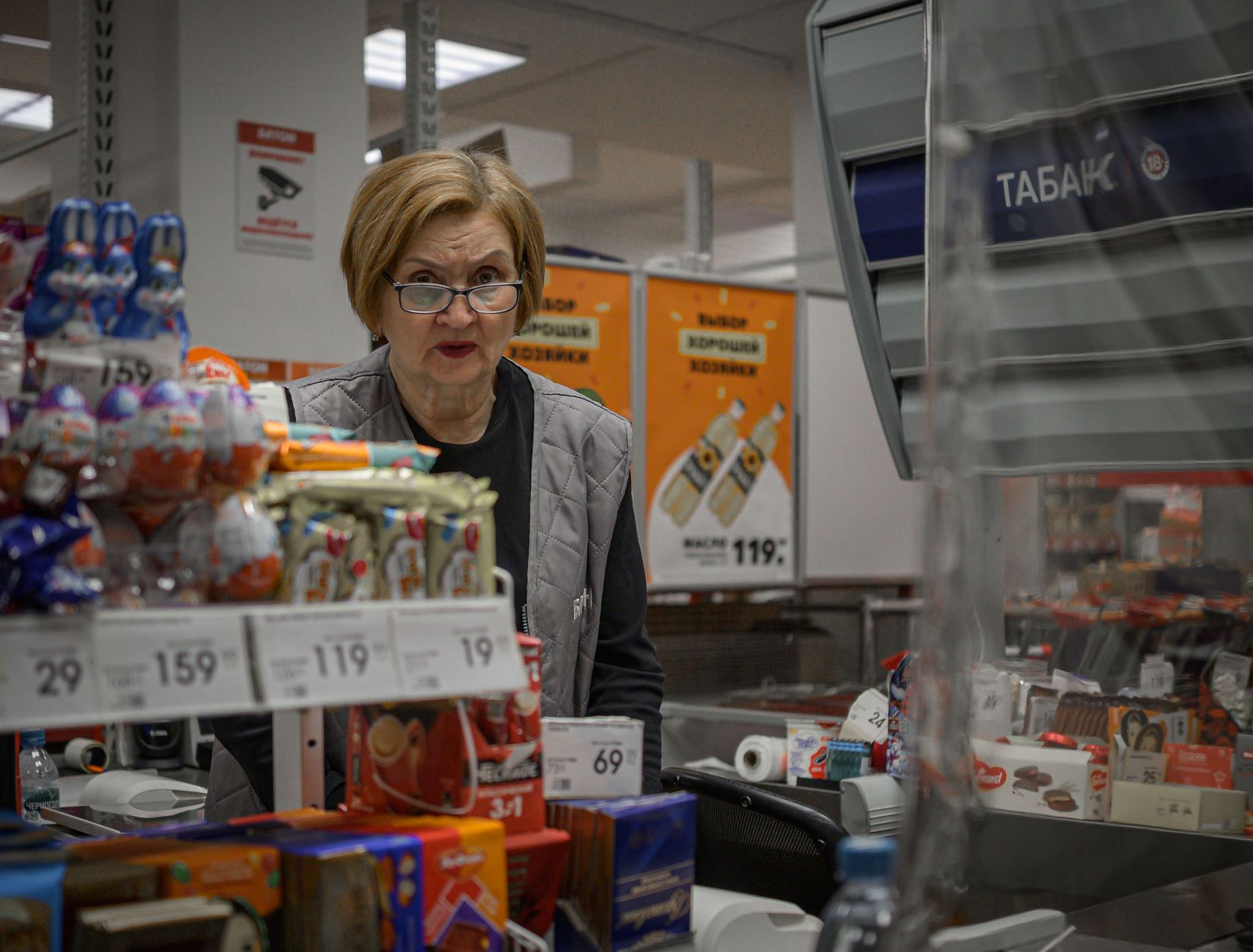
On one particular night in February 2020, around 3:12 AM, Maria was restocking the Hostess cupcakes. She saw a tall, gaunt man in a dark, heavy coat, the kind more suited for a blizzard, approach the counter. He placed a single, dented can of Campbell’s chicken noodle soup on the counter. He didn’t speak, simply pushed a $2 bill toward her. Maria, thinking it was an odd denomination, accepted it and gave him 48 cents in change. He turned and walked out. When she went to process the transaction, the cash drawer contained a single, crisp one-dollar bill where the two should have been. The security footage from that night showed Maria alone at the counter, picking up an invisible can, making change for no one, and placing the coins carefully back into her own palm.
The Woman in the Red Dress at the Roadside Texaco
For three consecutive Saturdays in October 2018, a clerk named Leo at a remote Texaco station on Highway 50 in Nevada—known as “The Loneliest Road in America”—had the same visitor. Each time, it was between 1:30 AM and 1:45 AM. A woman in a vibrant, outdated red chiffon dress would enter. She never bought anything. Instead, she would walk directly to the small coffee station, pour a single black coffee into a 12-ounce Styrofoam cup, and stand by the window, staring out at the dark desert for exactly twelve minutes. Leo, who’d worked there for five years, tried to make conversation, but she’d only offer a faint, sad smile. She never touched the coffee.
On her third visit, Leo’s curiosity got the better of him. He turned to the security monitor to get a clearer look at her vehicle, but the parking lot camera showed the space in front of the window was empty. When he turned back, she was gone. The cup of coffee remained on the sill, cold and untouched. He later discovered a local legend from the 1970s about a bride whose car broke down on that stretch of road. She had tried to walk for help in her wedding dress and was never seen again. The store logs from the 1980s, which Leo found in a back office, noted a strange, recurring discrepancy: an average of three cups of coffee per month were unaccounted for on the inventory, a pattern that apparently predated his tenure by decades.
The Stockroom That Counted Backwards
David’s story comes from a 7-Eleven in rural Vermont, where he worked the night audit shift from 11 PM to 7 AM throughout 2015. The stockroom was a cramped, poorly-lit space stacked high with boxes of Coke, Pepsi, and Frito-Lay products. The inventory system was precise; every box was logged with a count of 24 or 12 units. One night, while counting stock for the weekly order, David heard a distinct, rhythmic thumping from behind a pallet of Dr Pepper 12-packs. It was a slow, steady beat, like someone tapping a fist against cardboard. When he checked, the sound stopped.
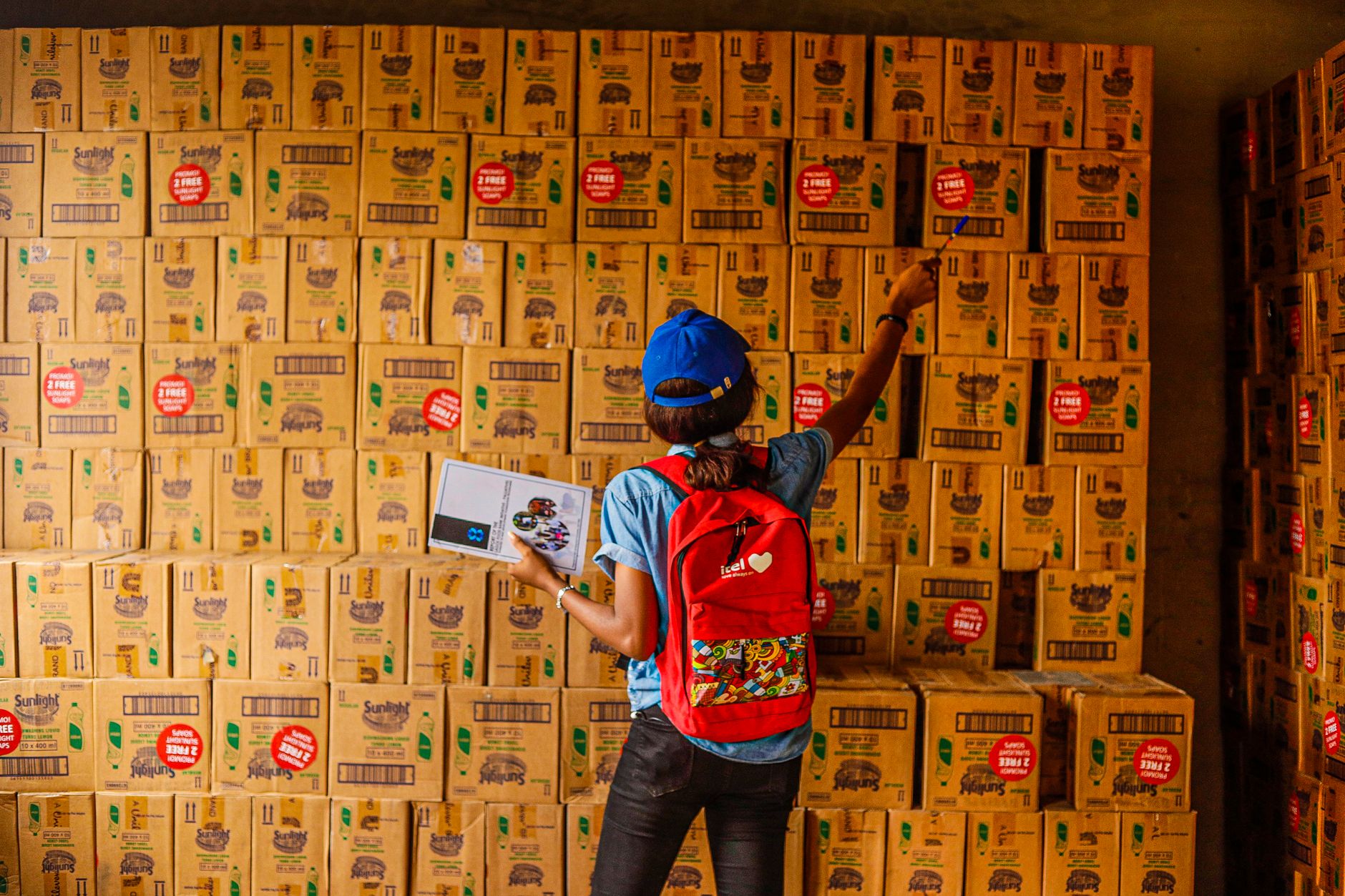
The following week, he brought a handheld counter to track his inventory faster. As he counted a stack of 48 bags of Wise potato chips, the digital readout suddenly flickered. It had correctly counted up to 32, then jumped backwards to 25, then 18, before freezing entirely. The batteries were brand new. This became a regular, unsettling event. On the store’s internal CCTV system, which had a camera pointed at the stockroom door, motion-activated recording would sometimes trigger in the middle of the night, capturing shadowy distortions moving between the shelves. The time stamps on these recordings were often skewed, showing a time that was fifteen minutes earlier than the actual system clock, a glitch the corporate IT department could never diagnose.
Unexplained Electrical Phenomena and The Midnight Regular
Convenience stores run on electricity, and when that energy behaves strangely, it chills the spine. At a QuikTrip in Tulsa, Oklahoma, employees on the 10 PM to 6 AM shift consistently reported issues with the automated Slush Puppie machine. The machine, a model 9000 with a digital temperature readout, would inexplicably power down and restart on its own between 2 AM and 3 AM. The internal diagnostics showed no faults, and the power supply was stable. The strange part was what happened next: the machine would dispense exactly 1.2 ounces of a random flavor—often blue raspberry—into the empty basin, as if serving a ghostly customer, before resuming normal operation.
Another common report involves flickering lights, but not in the usual way. At a Wawa in southern New Jersey, the lights above Aisle 5, the bread and dairy aisle, would dim and brighten in a slow, wave-like pattern every night at approximately 4:20 AM. This coincided with the arrival of an elderly man known to the staff only as “Arthur,” who would shuffle in, buy a single copy of The Philadelphia Inquirer and a pack of Pall Mall cigarettes, and leave without a word. One employee, curious, checked the purchase logs and found a sale for that exact combination recorded in the system every day for the past eleven years, even on nights when the employee on duty swore the store had been completely empty.
The Echo of a Tragedy
Some stores seem to hold onto emotional residue from past events. A Speedway gas station in a small Ohio town was the site of an armed robbery in 2004 that ended tragically. Night clerks who started years after the event reported consistent phenomena. The most frequent was the sound of the front door’s hydraulic arm engaging and disengaging rapidly at 1:17 AM, the exact time of the original incident. The security system, however, registered no door activity. Employees also reported the faint but distinct smell of cordite—the scent of gunpowder—near the old cash register, which had been replaced three times since the robbery.
The company installed a new, high-definition security system in 2019. During a routine review of the footage, a manager noticed an anomaly from a quiet Tuesday night in March 2021. The camera above Register 3, which had a clear view of the candy aisle, showed a pack of M&M’s being knocked from its peg at 1:17 AM. It fell in a perfect arc, as if brushed by an unseen hand. There was no draft, no earthquake, and no one nearby. For the staff, it served as a somber reminder that some echoes never truly fade, they just wait for the quiet of the night to make themselves heard again.
Why Convenience Stores?
There are practical reasons these locations might be hotspots for paranormal accounts. They are oases of light in the darkness, often situated on old travel routes or crossroads, places historically associated with spiritual activity. They are open when most of the world is asleep, creating a vacuum of human energy that something else might fill. The isolation of the night shift worker, alone for six to eight hours, heightens sensory awareness. Every shift becomes a psychological tightrope walk between rational boredom and primal fear.
The architecture itself may play a role. The combination of harsh fluorescent lighting, which casts deep, sharp shadows, and vast windows that turn into black mirrors at night, creates a disorienting fishbowl effect. You can see out, but anyone—or anything—outside can see in. The constant, low-grade hum of coolers and freezers acts as a auditory blanket, masking other sounds until they are unnervingly close. This environment doesn’t necessarily create phenomena, but it creates the perfect conditions for a mind, fatigued by the lonely hour, to notice the subtle shifts in reality that daylight crowds out.
For those who have lived it, the graveyard shift at a convenience store is more than a job; it’s a front-row seat to the thin places in our world. The shared experiences of phantom customers, sentient stockrooms, and haunted machinery form a hidden lore, passed down from one night worker to the next. The takeaway isn’t about proving the existence of ghosts, but about acknowledging the persistent, unsettling mystery that lingers in the quiet hours. Trust the physical sensations—the sudden chill, the misplaced item. Document everything, from odd sales to strange sounds, creating a log that can reveal patterns invisible in the moment. Most importantly, understand that some stories don’t need a dramatic ending; their power lies in the quiet, unresolved strangeness that stays with you long after your shift ends and the sun comes up.
Frequently Asked Questions
Are these stories considered common among night shift workers?
While not every employee has a story, these kinds of accounts are surprisingly widespread in online forums and among communities of overnight retail and service workers. The consistent themes—recurring times, specific aisles or items, and electrical anomalies—suggest a pattern beyond mere coincidence. A 2018 survey of over 1,200 night shift workers across various industries found that nearly 22% reported experiencing at least one event they could not rationally explain, with retail workers comprising a significant portion of that group. The shared details create a compelling, if informal, body of evidence.
Couldn’t these experiences be explained by sleep deprivation or stress?
Fatigue and the psychological effects of isolation are absolutely factors that can heighten suggestibility and distort perception. However, many of the most compelling accounts involve multiple witnesses or are corroborated by physical evidence, such as security footage showing object movement or inventory discrepancies that appear on paper logs. The woman in the red dress at the Texaco, for instance, was seen by two different clerks on separate occasions before the security footage anomaly was discovered. This points to something more complex than simple hallucination.
What should a night shift worker do if they experience something strange?
The first step is always to prioritize personal safety by following standard store protocols. From an investigative standpoint, the best practice is to document everything immediately. Note the exact time, the weather conditions, and any specific details of the event. If your store has security cameras, make a mental note of where they are pointed. Avoid discussing the event with colleagues until after you’ve written down your own account, to prevent cross-contamination of memories. This kind of disciplined documentation is what turns a spooky story into a genuinely puzzling anecdote.
Related from our network
- The Healing Power of Witchcraft: Stories From Real Practitioners (witchcraftforbeginners)
- 8 Signs Your House Might Be Spiritually Active (witchcraftforbeginners)
- Owl Spirit Animal Encounters: Five Real Cases of Nocturnal Wisdom (animalsouldecoder)
You Might Also Like


Stories From the Graveyard Shift
True stories from nurses, truckers, hotel clerks, and security guards who work while the world sleeps. Weekly dispatch.
No spam. Unsubscribe anytime.
