
🕐13 min read
In This Article
Night Shift Survival Handbook
Sleep optimization, nutrition tips, and mental health strategies for night shift workers and night owls.
The world outside your window is stirring. Birds chirp, a car door slams in the distance. But for you, this isn’t the start of a new day. It’s the final stretch of a long, draining night. Your eyes are gritty, your mind foggy from patient charts, security monitors, or endless highway. You crave bed, but that path leads to tossing, turning, and a fractured sleep that leaves you exhausted when the alarm blares. It’s time to change that. In 2026, sleep science has evolved, and so have the tools for those who live against the sun’s clock. A relaxing wind-down routine is no longer a luxury, but a non-negotiable shift differential for your health.
8 min read
In This Article
Key Takeaways
- Why Your Brain Fights Sleep After a Night Shift
- The 60-Minute Power-Down Protocol
- Using 2026’s Smart Sleep Tech
- The Nutritional Wind-Down: What to Eat and Drink
Why Your Brain Fights Sleep After a Night Shift
Your body runs on a powerful internal clock—your circadian rhythm. It’s hardwired to be awake in daylight and asleep in darkness. Working through the night declares war on millions of years of evolution. Your brain floods with cortisol, a stress hormone that promotes alertness, when it should be winding down. The blue light from screens—whether a hospital computer or a GPS dashboard—tricks your brain into thinking it’s midday. The result isn’t just fatigue; it’s wired exhaustion. You’re tired, but your nervous system stays in high gear, making true, restorative sleep nearly impossible the moment you walk in the door.

This biological clash makes a simple routine critical. You can’t just flip a switch. You need a deliberate, gradual process to tell your primal brain that the danger has passed and it’s safe to power down. A 2024 review in the Journal of Clinical Sleep Medicine highlighted that a consistent pre‑sleep ritual is one of the most effective behavioral interventions for shift workers, helping lower core body temperature and reduce sympathetic activity. Your wind‑down routine bridges the high‑alert world of your shift to the deep quiet your body needs.
Your wind‑down routine bridges the high‑alert world of your shift to the deep quiet your body needs.
The 60-Minute Power-Down Protocol
Your first hour home isn’t free time – it’s a critical transition period. This is your power-down protocol. The goal is to move systematically from high stimulation to low stimulation. We’ll break it into three 20-minute phases. Consistency is more important than perfect timing. The sequence itself becomes the signal for sleep [[LINKn]].
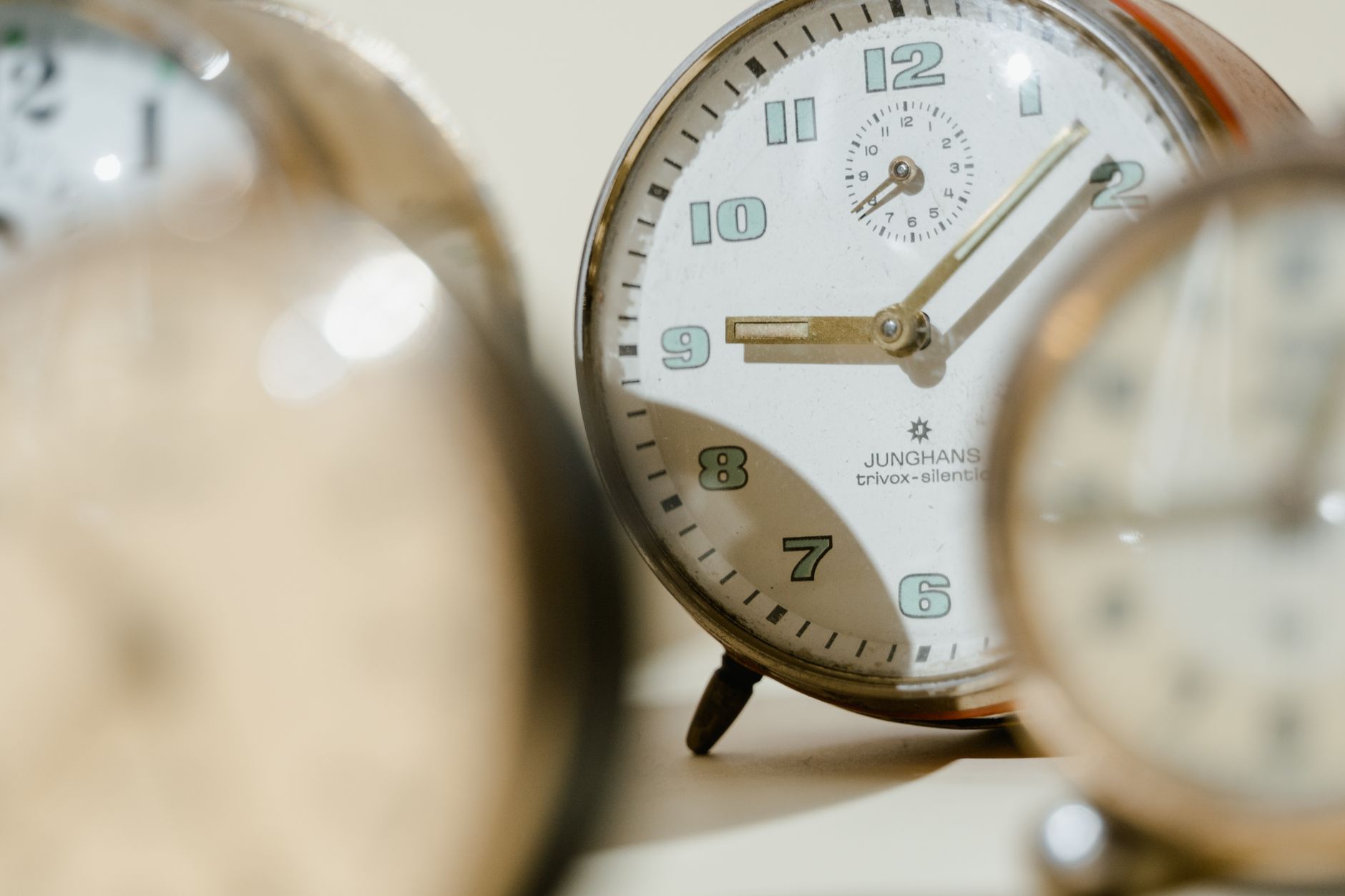
Minutes 0-20: The Decompression Zone. You’ve just stepped inside—don’t head straight to bed. This phase is about shedding your shift. Change out of your uniform immediately; it’s a psychological cue that your job is done. Take a warm shower (not hot). The rise and fall in body temperature mimics the natural drop that occurs before sleep, encouraging drowsiness. Use a dim nightlight or smart bulb set to deep red or orange, which has the least impact on melatonin production. Avoid bright bathroom lights.
Minutes 20-40: The Sensory Wind-Down. Now engage in a low-stimulation activity. Don’t check social media, news, or have intense conversations. The goal is passive engagement. Try a short, guided meditation app like Calm or Headspace, designed for sleep. Or listen to an ambient soundscape or boring audiobook. This gives your busy mind a single, monotonous focus point to latch onto, preventing it from racing back to your shift.
Minutes 40-60: The Bedroom Prep. Enter your sleep sanctuary. Your bedroom environment in 2026 should be a fortress against the daytime world. Blackout curtains are non-negotiable. Consider upgrading to smart blackout shades that automatically lower at your scheduled sleep time. A white noise machine or a smart speaker playing brown noise can effectively mask daytime sounds like lawnmowers and traffic. The ideal sleep temperature, according to the National Sleep Foundation, is between 60-67 degrees Fahrenheit (15-19 degrees Celsius). A smart thermostat can ensure your room hits this range by the time you’re ready for bed.
Hooked on the night shift?
Free weekly — no spam, unsubscribe anytime.
Using 2026’s Smart Sleep Tech
Technology, often the enemy of sleep, can now be its greatest ally when used intentionally. The latest generation of smart home devices can automate your wind-down routine, removing willpower from the equation when you’re at your most depleted.
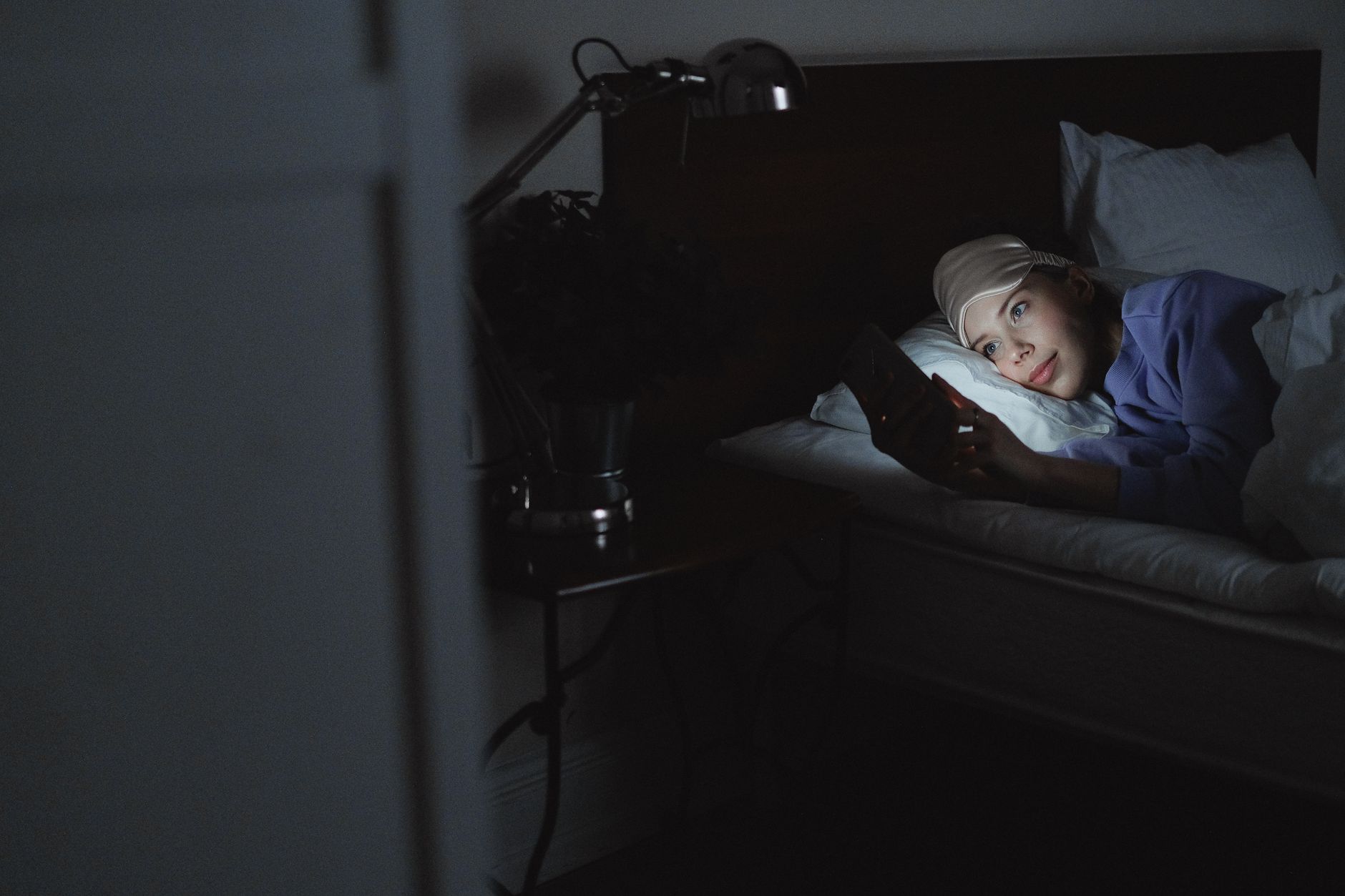
Smart lighting systems like Philips Hue or Lutron Caséta are game-changers. You can program a “Good Night” scene that, with a single command or automated schedule, dims all the lights in your home to a warm, amber glow the moment you arrive. Smart plugs can turn off distracting standby lights on electronics and power down noisy appliances. For the bedroom itself, a sunrise-simulating alarm clock like those from Hatch or Philips SmartSleep can be programmed in reverse: instead of waking you with light, it can gradually dim over your final wind-down minutes, signaling your brain that darkness is falling.
Wearables have also become incredibly advanced. While an Apple Watch or Oura ring can track your sleep, their real power for shift workers lies in their readiness or recovery scores. These metrics, which combine heart rate variability, body temperature, and sleep data, can help you understand the cumulative toll of your shifts. On a day when your recovery score is particularly low, you might extend your wind-down routine or prioritize absolute quiet, giving your body the extra care it’s asking for.
The Nutritional Wind-Down: What to Eat and Drink
What you consume in the hours before bed can make or break your sleep quality. The old advice of a heavy meal or alcohol to induce sleep is dangerously outdated. Alcohol may help you fall asleep faster, but it severely fragments sleep architecture, robbing you of important REM and deep sleep stages.

Your post-shift meal should be light and easily digestible. Think of it as fuel for sleep, not for the day. A small portion of complex carbohydrates paired with a source of tryptophan can be effective. A bowl of oatmeal with a sprinkle of walnuts, or a slice of whole-wheat toast with a thin layer of peanut butter, are good options. The goal is to avoid blood sugar spikes and crashes that can disrupt sleep.
Hydration is important, but timing is everything. You need to rehydrate after a long shift, but chugging water right before bed will guarantee disruptive trips to the bathroom. Finish your main hydration about an hour before you plan to sleep. Herbal teas like chamomile, valerian root, or passionflower are excellent choices for the wind-down phase. They’re hydrating and contain compounds that promote relaxation. Caffeine, of course, should be avoided for at least 4-6 hours before your intended sleep time.
Related: The Night Shift Survival Guide: Thriving When the World Sleeps
Related: 7 Night Shift Wellness Hacks to Transform Your Life Before 2026 Ends
Related: 5 Night Shift Routine Templates to Protect Your Sleep
Caffeine, of course, should be avoided for at least 4-6 hours before your intended sleep time.
Creating a Sleep-Conducive Environment
Your bedroom should be a sanctuary dedicated solely to sleep and intimacy. If possible, remove all work-related items. A laptop on the dresser or a stack of charts on the nightstand can trigger anxiety and mental associations with your shift. In 2026, invest in your sleep surface. A high-quality mattress that supports your preferred sleep position is fundamental. Cooling mattress toppers or bamboo-derived sheets can help regulate temperature throughout the day.
Soundproofing is another critical factor. Beyond a white noise machine, consider simple additions like a draft stopper for the bottom of your bedroom door to reduce hallway noise. If outside noise is a major issue, custom-fit earplugs designed for sleep, like those from Loop or Bose Sleepbuds, can be a worthwhile investment. They don’t just block sound. They can play soothing, masking sounds directly into your ears. The environment you create tells your brain one thing: this is a safe, quiet, dark place where the only job is to rest.
Mindfulness and Mental Detox Techniques
Your body might be home, but your mind is often still at work. Ruminating over a difficult patient, a stressful incident, or the endless to-do list for your waking hours can completely sabotage your wind-down. You need a method to mentally “clock out.”
A simple but powerful technique is the “Brain Dump.” Keep a notebook by the door. Before you begin your wind-down routine, take five minutes to write down every single thought, worry, or task swirling in your head. Don’t edit or organize. Just download it onto the page. This act externalizes your anxieties, giving you permission to release them until you wake up. Close the notebook literally and figuratively.
For a more structured approach, a 10-minute guided body scan meditation is profoundly effective. Apps like Insight Timer offer countless free versions. This practice involves slowly bringing your awareness to each part of your body, from your toes to the top of your head, noticing sensations without judgment. It pulls your focus away from your thoughts and into the physical present, releasing the muscular tension accumulated during a long night. It’s a direct command to your nervous system to stand down.
Adapting Your Routine on Days Off
One of the biggest challenges for night shift workers is the transition on your days off. Do you maintain the nocturnal schedule or try to flip back to a daytime rhythm? The answer isn’t one-size-fits-all, but the wrong approach can lead to a form of perpetual jet lag.
For those with a consistent schedule (e.g., three 12-hour shifts in a row), it’s often easier on your body to maintain a similar sleep-wake cycle, even on days off. This might mean going to bed at 3:00 AM and waking up around 11:00 AM or noon. This consistency protects your circadian rhythm from the shock of a drastic shift.
If you must flip back to a daytime schedule for family or social obligations, do it gradually. On your first day off, don’t try to stay up all day. Allow yourself a 3-4 hour nap in the morning after your shift, then get up and engage in light activity. Go to bed that night only an hour or two later than your target “daywalker” bedtime. The key is a gentle slide, not a hard reset. Your wind-down routine remains essential during these transitions, providing a stable anchor amidst the changing schedule.
Building a relaxing wind-down routine after a night shift is an act of self-preservation. It’s the deliberate process of building a bridge from the high-stakes world of your job to the restorative quiet of sleep. Start with the 60-minute power-down protocol, use smart tech to automate your environment, and be ruthless about your nutritional and mental hygiene. The most important step is the first one: committing to the routine itself. Your health, your mood, and your long-term well-being depend on the quality of your sleep. Tonight, when you walk through the door, don’t just collapse. Begin the deliberate, gentle process of powering down. Your body will thank you for it.
Small changes, real momentum
Get practical guides and templates you’ll actually use — a few thoughtful emails a month.
Frequently Asked Questions
What if I only have 30 minutes to wind down?
Condense the protocol into its most essential elements. Prioritize the sensory shift: immediately change clothes, take a 5-minute warm shower in dim light, and spend the remaining time with a guided meditation or deep breathing exercises in your prepared bedroom. The sequence, decompress, quiet the mind, enter the sleep space—is more important than the duration. Even a shortened, consistent routine is far better than none at all.
I live with day-walkers. How can I block out their noise?
This is a common and challenging scenario. A high-quality white noise machine is your first line of defense. Models like the LectroFan Classic can generate a consistent, fan-like sound that masks conversation and activity. Custom-fit sleep earplugs are also highly effective. Communicate your sleep schedule clearly with your housemates and establish “quiet hours.” A simple sign on your door can be a polite reminder. Finally, soundproofing your room with thick rugs, heavy curtains, and a door draft stopper can absorb a significant amount of ambient sound.
Can exercise be part of a wind-down routine?
It depends on the timing and intensity. Vigorous exercise right before bed can be too stimulating, raising your core body temperature and heart rate. However, gentle movement can be beneficial. A short, slow walk outside after your shift (if it’s still dark) can help clear your head. Alternatively, a series of gentle yoga stretches or restorative poses, focused on deep breathing, can release physical tension and calm the nervous system. The key is to avoid anything that gets your heart pumping.
Related from our network
You Might Also Like



Stories From the Graveyard Shift
True stories from nurses, truckers, hotel clerks, and security guards who work while the world sleeps. Weekly dispatch.
No spam. Unsubscribe anytime.
