
🕐10 min read
In This Article
Night Shift Survival Handbook
Sleep optimization, nutrition tips, and mental health strategies for night shift workers and night owls.
- 1. Why Night Shift Sleep Breaks the Normal Rules
- 2. The Five Printables, At a Glance
- 3. Printable #1: The Circadian Reset Log
- 4. Printable #2: The Reverse Bedtime Checklist
- 5. Printable #3: The Blackout Nap Planner
- 6. Printable #4: The Household Quiet Hours Sign
- 7. Printable #5: The Weekly Sleep Debt Tracker
- 8. How We Chose These Five
- 9. How to Build Your Kit Tonight
What does the inside of your eyelids look like at 2:47 in the afternoon, when the rest of the street is mowing lawns, running dishwashers, and slamming car doors? If you work nights, you already know. You’ve lived that stretch of grainy, sun-leaking half-sleep that never quite becomes real rest. The American Academy of Sleep Medicine actually classifies this as a real, diagnosable condition, shift work disorder, and it affects a meaningful share of the roughly 16% of U.S. employees the Bureau of Labor Statistics says work evening, night, or rotating shifts. You’re not broken. Your schedule is just fighting biology that took millions of years to calibrate itself to sunrise and sunset. We built five printables to help you win more of those fights in 2026, and we’ll walk you through exactly what each one does, what it’s based on, and where its limits are.
8 min read
In This Article
- 1. Why Night Shift Sleep Breaks the Normal Rules
- 2. The Five Printables, At a Glance
- 3. Printable #1: The Circadian Reset Log
- 4. Printable #2: The Reverse Bedtime Checklist
- 5. Printable #3: The Blackout Nap Planner
- 6. Printable #4: The Household Quiet Hours Sign
- 7. Printable #5: The Weekly Sleep Debt Tracker
- 8. How We Chose These Five
- 9. How to Build Your Kit Tonight
Key Takeaways
- 1. Why Night Shift Sleep Breaks the Normal Rules
- 2. The Five Printables, At a Glance
- 3. Printable #1: The Circadian Reset Log
- 4. Printable #2: The Reverse Bedtime Checklist
1. Why Night Shift Sleep Breaks the Normal Rules
Daytime sleepers have an ally most night workers don’t: darkness that shows up on schedule. Your circadian rhythm, the roughly 24-hour internal clock run by a cluster of neurons called the suprachiasmatic nucleus, takes its biggest cues from light hitting your eyes. Drive home from a 7 a.m. shift straight into full sun, and you’ve just told your brain it’s time to be alert. That’s the mechanism, not just bad luck.
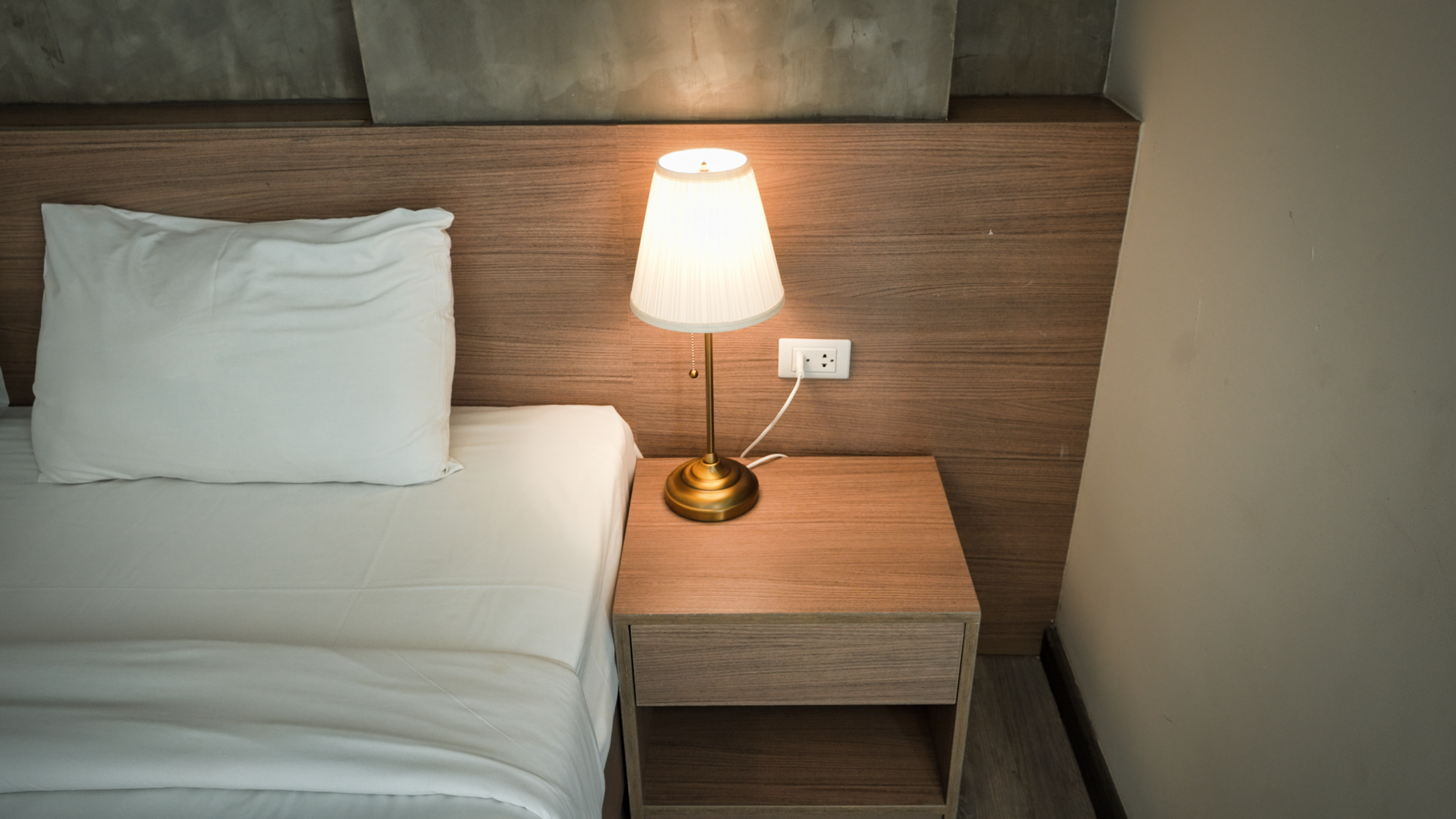
This is why generic sleep advice, the kind written for a 10 p.m. bedtime and an alarm at 6, doesn’t translate. A nurse coming off a 7 p.m. to 7 a.m. rotation at a hospital in, say, Dayton, Ohio, needs a completely different light, meal, and nap strategy than someone sleeping a conventional night. NIOSH, the federal agency that studies occupational health, has published shift work training materials for exactly this reason. The tools below are built around that same core idea: manage light, protect a sleep window, and track the debt you’re building so it doesn’t sneak up on you.
None of these printables promise a perfect night’s sleep. Nothing can, not with a furnace running outside your blackout curtains or a toddler who doesn’t understand why Mom’s door is closed at 9 a.m. What they can do is make the fight more visible, and a visible problem is one you can actually manage.
What they can do is make the fight more visible, and a visible problem is one you can actually manage.
2. The Five Printables, At a Glance
Here’s the full kit before we break down each sheet individually. Print all five, or grab just the one or two that solve your specific problem tonight.
| Printable | Best for | Time to fill out |
|---|---|---|
| Circadian Reset Log | Workers just starting a night rotation | 2 minutes, once per shift |
| Reverse Bedtime Checklist | Anyone who lies awake after a shift | Done passively, no writing |
| Blackout Nap Planner | Split-shift and commuter nappers | 5 minutes, once per week |
| Household Quiet Hours Sign | Shared homes, roommates, kids | One-time setup |
| Weekly Sleep Debt Tracker | Chronic short-sleepers, rotating shifts | 1 minute per day |
If you only have time for one, start with the Sleep Debt Tracker. It’s the fastest way to see whether your current routine is actually working or just feels like it is.
Hooked on the night shift?
Free weekly — no spam, unsubscribe anytime.
3. Printable #1: The Circadian Reset Log
This one’s a simple grid: hours of the day across the top, a column for “light exposure,” a column for “darkness,” and a column for caffeine timing. You fill it in for the first five to seven days of a new rotation. The goal isn’t data for its own sake. It’s catching the moment you accidentally undo your own progress, like stepping outside for lunch at noon in full sun after finally training your body to sleep then.
Sleep researchers generally agree that light is the strongest single cue for resetting a circadian clock, stronger than melatonin, caffeine timing, or meal schedules. That’s why this log leads the kit. Wear sunglasses on the drive home. Dim the lights in your house an hour before your planned sleep window. Small, boring, repeatable habits beat any single dramatic fix.
One honest limitation: if your facility rotates you between day and night shifts every few days, this log will frustrate you. Fixed night schedules respond well to circadian reset strategies. Rotating schedules don’t give your body enough consistent days to adapt before flipping again, and that’s a documented, well-studied problem in shift work research, not a failure of the printable.
4. Printable #2: The Reverse Bedtime Checklist
You know the feeling. Shift ends at 7 a.m., you’re home by 7:40, and somehow you’re still staring at the ceiling fan at 9:15. This checklist flips the usual bedtime routine logic. Instead of winding down, it walks you through a 30-minute sequence designed for a body that’s still running on “alert” chemistry: a lukewarm shower, blackout curtains closed before you even start, phone in another room, a fixed “lights out” time you commit to regardless of how awake you feel.

The checklist format matters more than it sounds like it should. Owners of similar shift-work routines consistently report, across nursing forums and trucker subreddits, that having a physical checklist on the bathroom mirror cuts the “scroll on my phone for 40 minutes” habit that quietly eats into sleep windows. It’s not willpower. It’s friction removal.
This sheet pairs well with our deeper dive into nurse night shift stories, where several night nurses describe the exact routines that got them through back-to-back twelve-hour shifts without burning out.
The checklist format matters more than it sounds like it should.
5. Printable #3: The Blackout Nap Planner
Split sleep, two or three shorter sleep periods instead of one long block, works for a lot of night shift workers, especially truckers and security guards on irregular rotations. This planner gives you a weekly grid to map out exactly when and where those naps happen: in the cab before a route, in a break room chair, or at home before a second part-time job.
The planner includes a short reference box on nap length. Sleep scientists generally distinguish a short “power nap” (around 20 minutes, meant to avoid deep sleep) from a longer recovery nap (closer to 90 minutes, a full sleep cycle). Waking up in the middle, somewhere around the 45 to 60 minute mark, tends to produce that groggy, hungover feeling called sleep inertia. The planner flags this so you’re not accidentally scheduling naps that leave you worse off.
If your job involves actual driving between naps, this is non-negotiable territory. Our friends at The Dream Files have covered the stranger side of nap-induced dreaming for long-haul truckers, if you want to go further down that particular road.
6. Printable #4: The Household Quiet Hours Sign
This is the simplest printable in the kit and maybe the most underrated. It’s a door sign, roughly postcard-sized, with your sleep window written in, plus three or four house rules: no vacuuming between these hours, texts okay but calls go to voicemail, deliveries can knock once but not Ring twice. You fill it in and tape it up.

It sounds almost too basic to matter. But across hotel night clerk and security guard forums, a recurring complaint is that roommates and family members simply don’t register that “daytime” and “asleep” can coexist unless there’s something physical reminding them. A sign on a closed door does more communicating in five seconds than a dozen conversations do over a month.
There’s a real constraint here worth naming. This printable assumes you have a door that closes and at least some control over household noise. If you’re in a studio apartment or a shared dorm-style setup, the sign alone won’t solve a thin-wall problem, and you’ll want to pair it with actual sound dampening, a white noise machine, foam weatherstripping on the door, something physical, not just a polite request taped to drywall.
7. Printable #5: The Weekly Sleep Debt Tracker
This is the one we’d grab first if we were starting from zero. It’s a seven-day table where you log hours actually slept versus a target number you set for yourself, usually seven to nine hours per 24-hour period, which lines up with the general range most sleep researchers cite for adults. At the end of each week you get a running total, your “debt” or “surplus” in hours.
Debt tracking matters because night shift sleep loss tends to be gradual, not dramatic. You don’t notice losing 45 minutes on Tuesday. You notice it on Saturday when you’re crying at a commercial for no clear reason. A weekly total makes the slow leak visible before it becomes a real problem.
One honest caveat: this tracker measures hours, not sleep quality. Nine hours of fragmented, interrupted sleep isn’t the same as seven solid hours. Treat the number as a warning light, not a final verdict.
8. How We Chose These Five
We weren’t able to run a controlled trial on these printables ourselves, so here’s the honest breakdown of what’s behind each one, separated by how confident the evidence actually is.

| Category | Examples | Confidence |
|---|---|---|
| Verified specification or science | Light as primary circadian cue; nap length and sleep inertia; shift work disorder as a diagnosable condition | High, backed by NIOSH and AASM published material |
| Editorial judgment | Sheet layout, 30-minute checklist timing, which five tools made the cut | Medium, based on recurring themes in owner reports and forums |
| Missing or individual evidence | Your exact sleep need, your household’s noise tolerance, your commute length | Low, varies person to person, can’t be generalized |
That middle and bottom row matter as much as the top one. We’d rather tell you what we don’t know than dress up a template as a guaranteed fix.
9. How to Build Your Kit Tonight
- Print the Weekly Sleep Debt Tracker first. Fill in tonight’s date and your target hours before your next shift starts.
- Tape the Household Quiet Hours Sign to your bedroom door before you leave for work, not after you get home exhausted.
- Keep the Circadian Reset Log in your bag for the first week of any new rotation, then retire it once your sleep stabilizes.
- Use the Blackout Nap Planner only if your schedule genuinely includes nap windows, forcing a nap into a busy day can backfire.
- Stick the Reverse Bedtime Checklist on your bathroom mirror where you can’t avoid seeing it.
Start with whichever sheet solves this week’s actual problem. You don’t need all five running at once, and trying to launch the whole kit on your first night back from days off is a good way to abandon all of it by Thursday.
If you’re putting this kit together tonight, keep it simple: grab the Sleep Debt Tracker, tape up the door sign before your next shift, and give the Circadian Reset Log one full week before judging whether it’s working. Our pick for most night shift workers starting out is that pairing, debt tracker plus door sign, because it requires almost no setup time and solves the two most common complaints we see in shift worker forums: nobody in the house respects sleep hours, and nobody’s actually tracking how much ground they’re losing. Rotating shift workers should treat the Circadian Reset Log as optional rather than essential, since a schedule that flips every few days won’t let it fully work anyway.
Do these printables require any special app or software?
No. They’re designed as plain printable PDFs you fill out by hand, which matters more than it sounds like it should. A physical sheet on a counter or taped to a door gets noticed by the rest of your household in a way a phone app never does. Pen and paper also removes the temptation to “just check one notification” while you’re supposed to be logging sleep data.
What if I work a rotating schedule instead of fixed nights?
The Weekly Sleep Debt Tracker and Household Quiet Hours Sign still work fine, since they don’t depend on a stable sleep window. The Circadian Reset Log is the one to treat carefully, because shift work researchers generally agree rotating schedules make full circadian adaptation difficult regardless of what tools you use. Focus your energy on
Small changes, real momentum
Get practical guides and templates you’ll actually use — a few thoughtful emails a month.
Related from our network
You Might Also Like



Stories From the Graveyard Shift
True stories from nurses, truckers, hotel clerks, and security guards who work while the world sleeps. Weekly dispatch.
No spam. Unsubscribe anytime.
