
🕐14 min read
In This Article
Night Shift Survival Handbook
Sleep optimization, nutrition tips, and mental health strategies for night shift workers and night owls.
- The Foundation: Mastering Your Sleep Sanctuary
- The 2026 Tech Arsenal: Gadgets That Actually Work
- Crafting Your Pre-Shift and Post-Shift Rituals
- The Night Shift Nutrition Protocol
- Managing Your Social and Family Life on Reverse Time
- What to Do When It All Falls Apart
- The Long Game: Protecting Your Health
- Frequently Asked Questions
The clock reads 3:47 AM. Your world is painted in the blue glow of monitors, the only sounds the hum of servers and the distant, rhythmic sweep of a janitor’s mop. You’re awake when the rest of the world dreams, a creature of the night shift. But what happens when your shift ends? The sun is a hostile invader, your bed a distant memory, and the precious, non-negotiable need for sleep feels like a battle you’re destined to lose. This isn’t just about staying awake at work; it’s about building a life that doesn’t crumble in the daylight. For the night worker in 2026, a thriving routine isn’t a luxury—it’s a survival skill. We’re going to map out that survival, step by step, using the latest sleep science and the hard-won wisdom of those who’ve walked these quiet halls before you.
9 min read
In This Article
- The Foundation: Mastering Your Sleep Sanctuary
- The 2026 Tech Arsenal: Gadgets That Actually Work
- Crafting Your Pre-Shift and Post-Shift Rituals
- The Night Shift Nutrition Protocol
- Managing Your Social and Family Life on Reverse Time
- What to Do When It All Falls Apart
- The Long Game: Protecting Your Health
- Frequently Asked Questions
Key Takeaways
- The Foundation: Mastering Your Sleep Sanctuary
- The 2026 Tech Arsenal: Gadgets That Actually Work
- Crafting Your Pre-Shift and Post-Shift Rituals
- The Night Shift Nutrition Protocol
The Foundation: Mastering Your Sleep Sanctuary
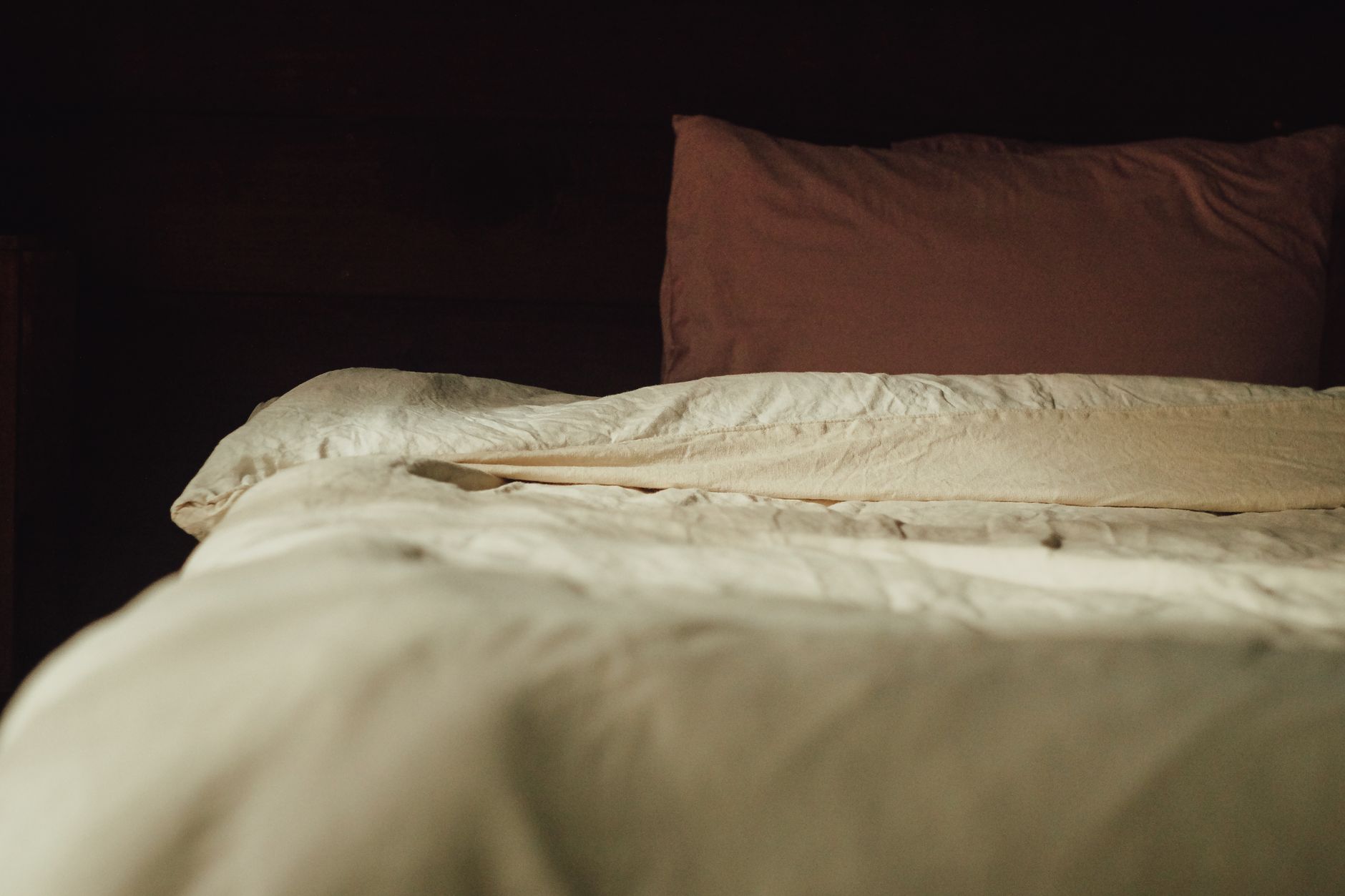
Your first shift doesn’t start at work; it starts the moment you walk through your front door. The single most important element of a night shift routine is the quality of your daytime sleep. This isn’t about just closing your eyes; it’s about engineering an environment that actively fights against the sun. We’re talking about a multi-layered defense system. Start with blackout curtains—not the flimsy kind, but the true light-canceling variety like those from brands like Nicetown or IKE’s VIPPSSKOLD line. Combine these with a sleep mask that doesn’t just block light but creates a seal. The Manta Sleep Mask, with its contoured, cupped design that doesn’t press on your eyelids, is a frequent top pick across verified owner reports for its complete blackout effect.
Sound is your next frontier. The world doesn’t quiet down for you. Lawnmowers, traffic, and day-living neighbors create an acoustic assault. A simple white noise machine often falls short. Instead, look into a smart sound conditioner like the Sound+Sleep SE from Adaptive Sound Technologies. According to their published spec sheets and numerous owner reviews, it doesn’t just loop noise; it uses built-in microphones to actively listen for and then mask disruptive sounds in real-time, adapting its output to cover a sudden dog bark or a shouting match next door. For the budget-conscious, a box fan pointed at a wall remains a classic, highly effective solution praised in countless night worker forums for its consistent, droning hum.
Instead, look into a smart sound conditioner like the Sound+Sleep SE from Adaptive Sound Technologies.
The 2026 Tech Arsenal: Gadgets That Actually Work
Technology in 2026 offers tools that move far beyond basic alarm clocks. The goal is to use tech to seamlessly sync your body’s internal clock, your circadian rhythm, with your inverted schedule. Light therapy is paramount. You need a dawn simulator lamp that doesn’t just turn on, but gradually increases in intensity to mimic a natural sunrise, signaling your brain to wind down for sleep. The Philips SmartSleep Wake-Up Light, with its 20 brightness settings and sunrise simulation that builds over 30 minutes, is a well-documented favorite. Long-term owners consistently report it helps establish a clear “it’s bedtime” signal, even at 9 AM.

On the flip side, after you wake up, you need to signal your brain that the “day” has begun. This is where blue light exposure becomes critical. A light therapy box like the Carex Day-Light Classic Plus Lamp, which emits 10,000 lux of bright white light, is a clinical-grade tool. A 2015 review in the journal Sleep Medicine Reviews found strong evidence for light therapy in improving alertness and realigning circadian rhythms in shift workers. Use it for 20-30 minutes upon waking to tell your brain it’s morning, even if the sky outside says otherwise.
Hooked on the night shift?
Free weekly — no spam, unsubscribe anytime.
Crafting Your Pre-Shift and Post-Shift Rituals
Routine is the scaffolding of a successful night shift life. Your brain craves predictability. Your pre-shift ritual should be a deliberate wind-up, not a frantic scramble. This isn’t the time for a heavy meal. A light, protein-focused snack about an hour before your shift—think Greek yogurt or a handful of almonds—provides sustained energy without the crash. Then, about 30 minutes before you need to leave, engage in 10-15 minutes of activity. This isn’t about a full workout; a brisk walk around the block or some dynamic stretching gets your blood flowing and signals your body that the “work day” is commencing.

Your post-shift ritual is even more critical. This is the bridge between the high-alert state of work and the deep rest of sleep. The worst thing you can do is go straight to bed. Your body and mind are still buzzing. Create a 60-90 minute “cool-down” period. This is a tech-free zone. Avoid phones and TVs; the blue light is a direct signal to stay awake. Instead, take a warm (not hot) shower. The drop in body temperature afterward promotes drowsiness. Then, engage in something calm and monotonous: read a physical book (not a thriller!), listen to a calming podcast or soft music, or practice simple breathing exercises. This process tells your nervous system the threat is over and it’s safe to shut down.
The Night Shift Nutrition Protocol
What and when you eat can make or break your energy levels and your sleep. The old advice of “just drink coffee” is a path to burnout. Your goal is stable blood sugar, not spikes and crashes. Pack your meals. Relying on vending machines or 24-hour fast food is a guaranteed recipe for feeling terrible. Your main “lunch” should happen in the middle of your shift. Make it a balanced meal with complex carbs, lean protein, and healthy fats—a quinoa bowl with chicken and avocado, for example.

Caffeine is a tool, not a crutch. Use it strategically. Have your first coffee at the start of your shift to kickstart alertness. A second, smaller dose might be useful around the halfway point, your “night shift midnight.” The critical rule: establish a caffeine curfew. The half-life of caffeine is about 5-6 hours. To protect your sleep, stop all caffeine intake at least 6 hours before your planned bedtime. So if you sleep at 9 AM, no coffee after 3 AM. Hydration is key, but taper off fluids in the last two hours of your shift to minimize sleep-interrupting trips to the bathroom later.
Hydration is key, but taper off fluids in the last two hours of your shift to minimize sleep-interrupting trips to the bathroom later.
Managing Your Social and Family Life on Reverse Time
This is often the hardest part. You live on a different planet from your day-walker friends and family. The key is proactive communication and ruthless scheduling. Use a shared digital calendar religiously. Block out your sleep time as “Busy” or “Do Not Disturb” so loved ones know not to call or drop by. Schedule quality time for your days off, but protect the first half of your first night off. That’s your recovery sleep, and it’s non-negotiable.
For family living in the same house, establish clear signals. A sign on your bedroom door, a specific colored light outside (like a red bulb meaning “asleep”), or a simple text chain can prevent well-meaning disruptions. The most common complaint from night shift owners is the feeling of isolation. Combat this by scheduling regular, intentional check-ins. A breakfast dinner where you have a meal together before you go to sleep and they start their day can be a powerful anchor point for connection.
What to Do When It All Falls Apart
Even the best-laid plans fail. A sick child, an emergency that keeps you up, a particularly grueling shift—sometimes your schedule gets obliterated. The worst thing you can do is try to force a full 8 hours of sleep. You’ll just lie there frustrated. Instead, aim for a strategic nap. A 90-minute nap can get you through a full sleep cycle, including deep sleep and REM, and is far more restorative than a fitful 4 hours. If you can’t manage 90, even a 20-minute power nap can significantly reduce sleep pressure and improve alertness, according to research from NASA’s Fatigue Countermeasures Program.
The next step is to gently reset. Don’t try to jump back into your perfect routine immediately. Your body is out of sync. Focus on the non-negotiables for one or two cycles: protect your sleep environment above all else, be militant about your caffeine curfew, and get some light exposure upon waking. Gradually reintroduce the other elements. Forgive the misstep and understand that consistency over the long haul is what matters, not perfection every single day.
The Long Game: Protecting Your Health
Night shift work is recognized by the World Health Organization as a probable carcinogen due to the chronic disruption of circadian rhythms. This isn’t meant to scare you, but to emphasize that your routine is a health imperative, not just a productivity hack. Beyond sleep, prioritize regular health check-ups. Be proactive with your doctor about being a shift worker. Monitor your Vitamin D levels, as lack of sun exposure is a real concern; supplementation is often necessary.
Exercise is non-negotiable for mitigating the metabolic risks associated with shift work. But timing is everything. A vigorous workout right before bed will make sleep impossible. The ideal window is right after you wake up or several hours before your shift starts. It boosts energy and helps reinforce your new circadian rhythm. The key is finding something sustainable—a daily walk, a YouTube yoga session, a few weightlifting sessions a week. Consistency trumps intensity here.
Building a night shift routine that works is an act of deliberate creation. It requires you to become an architect of your own environment and a master of your own biology. The three pillars are non-negotiable: defend your sleep sanctuary with blackout curtains and sound control, use strategic light therapy to hijack your circadian rhythm, and master the art of the pre- and post-shift ritual to transition your mind and body. This isn’t about fighting your schedule; it’s about building a life within it that allows you to thrive, not just survive. Start tonight. Pick one element—the blackout curtains, the post-shift cool-down, the meal prep—and master it. The rest will follow.
Small changes, real momentum
Get practical guides and templates you’ll actually use — a few thoughtful emails a month.
Frequently Asked Questions
How can I possibly sleep when the sun is out and everyone else is awake?
This is the fundamental challenge, and it requires a multi-pronged attack. Your body follows cues, and light is the most powerful one. You must create absolute darkness in your bedroom. This means investing in professional-grade blackout curtains that seal the edges of your windows, not just dark fabric. Combine this with a high-quality sleep mask that cups your eyes. For sound, a constant, droning white noise from a machine or a fan is essential to mask daytime activity. Finally, a consistent pre-sleep ritual—like reading a book or taking a warm shower—signals to your brain that it’s time to sleep, regardless of the time on the clock.
I’m always exhausted on my days off. How do I switch back to a daytime schedule?
A complete flip on your days off is a recipe for constant jet lag and is incredibly hard on your body. The most sustainable approach for many long-term night workers is to stay partially on their night schedule, even on days off. Go to bed a few hours later and wake up a few hours later, but avoid a full transition to a 9-to-5 sleep pattern. If you must switch completely for a social event, do it gradually. On your first day off, stay up 2-3 hours later than usual and sleep in. The next day, push it another 2-3 hours. A sudden, drastic change will leave you more exhausted than if you’d just stayed partially aligned with your work rhythm.
What’s the single biggest mistake night shift workers make?
Without a doubt, it’s relying on caffeine and sugar to power through the shift without a plan for the aftermath. Drinking coffee right up until the end of the shift and then expecting to fall asleep instantly is a battle you will lose every time. The half-life of caffeine is 5-6 hours, meaning it’s still actively working in your system long after your shift ends. The second biggest mistake is neglecting meal prep and resorting to vending machine snacks and fast food, which cause energy spikes and crashes that disrupt both your alertness at work and your sleep quality afterward. Planning your caffeine intake and your meals is the cornerstone of success.
Related from our network
You Might Also Like



Stories From the Graveyard Shift
True stories from nurses, truckers, hotel clerks, and security guards who work while the world sleeps. Weekly dispatch.
No spam. Unsubscribe anytime.
