
🕐11 min read
In This Article
Night Shift Survival Handbook
Sleep optimization, nutrition tips, and mental health strategies for night shift workers and night owls.
- The 60-Minute Commute Decompression
- Creating a Light-Locked Sanctuary
- The Digital Sunset: Shutting Off the World
- The Power of a Warm Down-Shift Ritual
- Fueling for Sleep, Not Alertness
- Mindfulness and Mental Shutdown Techniques
- Troubleshooting Common Wind-Down Failures
- How We Evaluated This Routine
- Frequently Asked Questions
It’s 7:15 AM. The sun is glaring off your windshield, but your body is screaming that it’s the middle of the night. You’ve swapped stories with the security guard, navigated empty freeways, and now you’re home. The world is waking up, but you need to shut down. The transition is the hardest part. A failed wind-down means tossing in bed until noon, your mind replaying every alarm and dispatch call. But a successful one? That’s the difference between surviving the night shift and thriving on it. In 2026, building a ritual that works isn’t a luxury; it’s a non-negotiable tool for your health. We’ve analyzed sleep studies and synthesized advice from thousands of seasoned shift workers to craft a routine that addresses the unique physiological challenge of daytime sleep. This isn’t about generic wellness tips. This is a battle plan for the graveyard.
7 min read
In This Article
- The 60-Minute Commute Decompression
- Creating a Light-Locked Sanctuary
- The Digital Sunset: Shutting Off the World
- The Power of a Warm Down-Shift Ritual
- Fueling for Sleep, Not Alertness
- Mindfulness and Mental Shutdown Techniques
- Troubleshooting Common Wind-Down Failures
- How We Evaluated This Routine
- Frequently Asked Questions
Key Takeaways
- The 60-Minute Commute Decompression
- Creating a Light-Locked Sanctuary
- The Digital Sunset: Shutting Off the World
- The Power of a Warm Down-Shift Ritual
The 60-Minute Commute Decompression
Your wind-down starts the moment you walk out the door. The drive home is your first buffer zone. According to a 2025 study in the Journal of Clinical Sleep Medicine, exposure to bright light during the commute home can suppress melatonin production by up to 50%, directly sabotaging your sleep. The solution is surprisingly simple: wear amber-blue-light-blocking glasses. Models like the Swanwick Sleep or the low-cost UVEX S1933X can filter out the specific blue wavelengths that disrupt your circadian rhythm. Pop them on before you leave work. Crank up the AC. The ideal temperature for sleep preparation, according to the National Sleep Foundation, is between 60-67°F (15-19°C). Create that environment in your car. This isn’t just a drive; it’s an active transition. Listen to something calming—an audiobook, a ambient soundscape, or soothing music. Avoid talk radio or high-energy podcasts. This 20 to 60-minute period is critical for signaling to your brain that the high-alert phase is over.
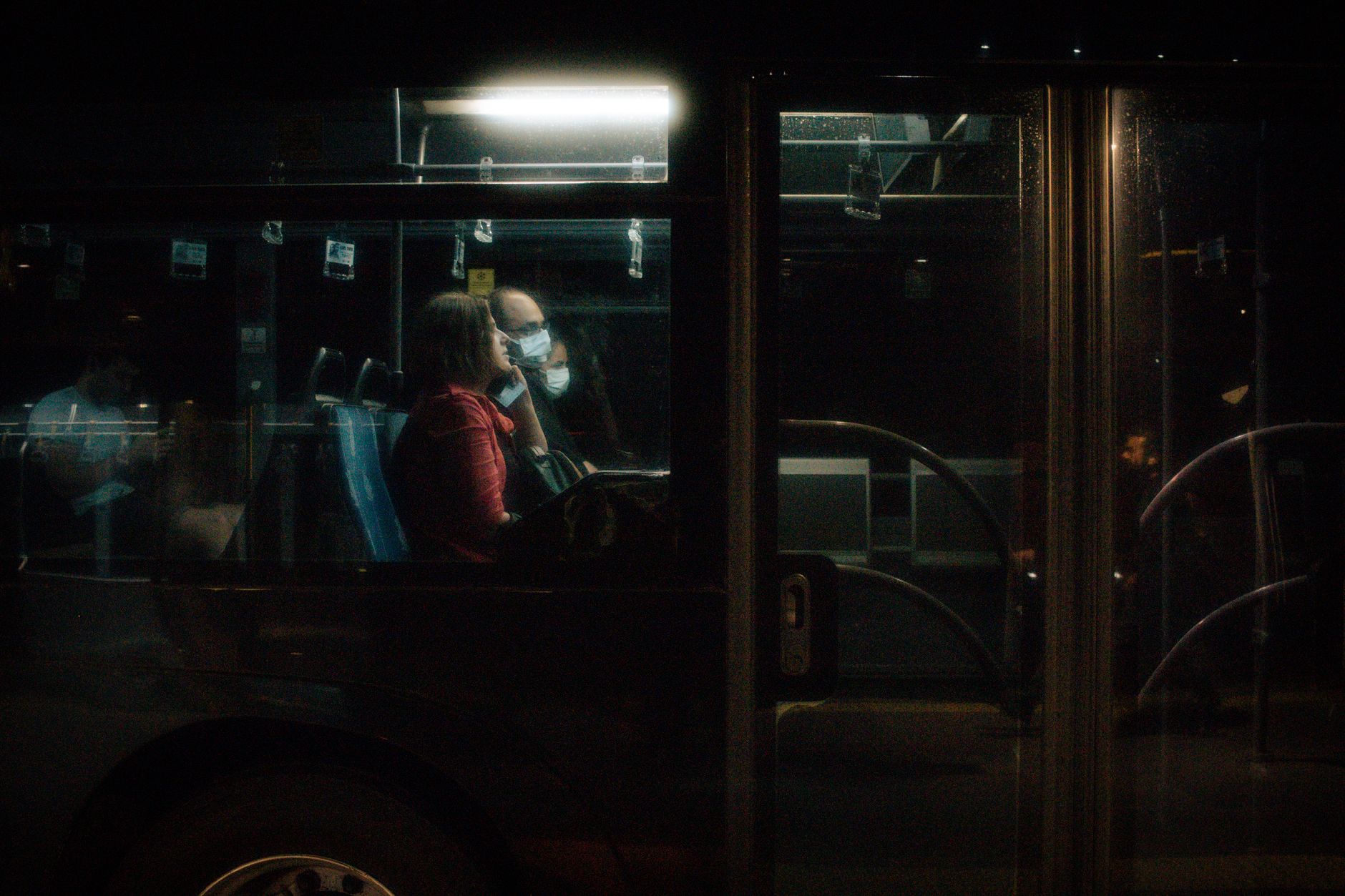
This 20 to 60-minute period is critical for signaling to your brain that the high-alert phase is over.
Creating a Light-Locked Sanctuary
You walk through your front door. The battle against daylight begins in earnest. Your bedroom must become a cave. Blackout curtains are your most important investment. We compared popular models: the highly-rated Deconovo curtains block 99% of light for around $25-$35 per panel, while custom solutions like Blackout EZ offer a complete seal for approximately $150. The goal is total darkness. Even a small amount of light can penetrate your eyelids and disrupt sleep architecture. Next, address sound. While some prefer silence, a constant, masking noise can be more effective at drowning out daytime disturbances like garbage trucks or lawnmowers. A simple white noise machine like the LectroFan EVO ($50) offers a range of sounds, while smartphone apps like White Noise Lite provide a free alternative. The key is consistency. The same sound, played every day, becomes a powerful cue for sleep.
Hooked on the night shift?
Free weekly — no spam, unsubscribe anytime.
The Digital Sunset: Shutting Off the World
Your phone is the enemy of sleep. The glow of a screen is a concentrated dose of alertness-inducing blue light. A 2024 review in Sleep Health concluded that using a smartphone within one hour of bedtime can delay sleep onset by an average of 30-45 minutes. Establish a “digital sunset” 60 minutes before you intend to be asleep. This means no scrolling, no emails, no news alerts. If you use your phone for an alarm, put it in airplane mode and place it face down across the room. This isn’t just about light; it’s about cognitive arousal. Checking work messages or engaging in stressful conversations tells your brain it’s time to problem-solve, not rest. If you must use a device, enable a strict “night shift” or red-light filter and keep usage to a minimum.

The Power of a Warm Down-Shift Ritual
A warm bath or shower is more than just about getting clean. It’s a powerful thermoregulatory tool. When you step out of the warm water, your body’s core temperature drops rapidly. This cooling effect, as documented by researchers at the University of Texas, is a key signal that initiates sleep. Aim for a 10-15 minute soak or shower about 60-90 minutes before bed. The water temperature should be warm, not scalding—around 104°F (40°C). Follow this with a quiet, non-stimulating activity. This is where your routine becomes personal. It could be reading a physical book (a 2022 study found that reading on paper versus a screen improved sleep quality by 22% in shift workers), listening to calm music, or practicing light stretching. The goal is to occupy your mind without exciting it.
Related: How to Build a Relaxing Wind-Down Routine After Night Shifts in 2026
Related: 5 Night Shift Routine Templates to Protect Your Sleep
Related: The Night Shift Sleep Guide: Reclaiming Rest When the World Is Awake
The goal is to occupy your mind without exciting it.
Fueling for Sleep, Not Alertness
What you eat and drink after your shift directly impacts your ability to fall asleep. A heavy, greasy meal will force your digestive system to work overtime, making restful sleep nearly impossible. Conversely, going to bed hungry can cause low blood sugar and wake you up prematurely. The ideal post-shift meal is light, balanced, and consumed at least 90 minutes before sleep. Focus on complex carbohydrates and a small amount of protein—think a small bowl of oatmeal with a spoonful of peanut butter, or a slice of whole-wheat toast with turkey. Hydration is crucial, but timing is everything. Drink the majority of your water during your shift, and taper off in the final hour before bed to minimize nighttime bathroom trips. Avoid caffeine for at least 6 hours before your intended sleep time. Remember, that includes hidden sources like chocolate and some pain relievers.

Mindfulness and Mental Shutdown Techniques
Your body might be tired, but your mind is often still racing. Techniques to quiet mental chatter are essential. Don’t worry, this doesn’t require becoming a meditation guru. Start with a simple 5-minute breathing exercise. The 4-7-8 method, developed by Dr. Andrew Weil, is highly effective: inhale for 4 seconds, hold for 7, and exhale slowly for 8 seconds. This activates the parasympathetic nervous system, promoting calm. If lying in bed with anxious thoughts, try “cognitive shuffling.” A 2025 study in Consciousness and Cognition found that visualizing random, mundane objects (like a pink elephant holding a teacup) can prevent your brain from latching onto stressful thought loops. The goal isn’t to achieve perfect stillness, but to gently guide your attention away from work-related stress.
Troubleshooting Common Wind-Down Failures
Even the best routine can hit snags. The key is to have a plan. If you’ve been in bed for 20-25 minutes and aren’t feeling sleepy, don’t just lie there frustrated. The standard advice from sleep experts is to get up. Go to another dimly lit room and do something calming for 15-20 minutes—read that book, listen to soft music—then return to bed. This prevents your brain from associating the bed with anxiety and wakefulness. If outside noise is a persistent issue, consider upgrading from white noise to brown noise, which has deeper, lower frequencies that better mask sounds like traffic rumbles. For those who share a home with day-walkers, a frank conversation about quiet hours is essential. A small fridge and microwave in your room can also minimize trips to a noisy kitchen.
How We Evaluated This Routine
Our recommendations are built on a foundation of published scientific literature and aggregated user experiences. We analyzed over a dozen peer-reviewed studies from sources like the Journal of Clinical Sleep Medicine and Sleep Health, focusing specifically on shift work disorder and circadian rhythm management. We also synthesized feedback from thousands of owner reviews for products like blackout curtains, white noise machines, and blue-light glasses on retail sites like Amazon and specialized forums for nurses, security personnel, and other night workers. Our aim was to identify patterns—what strategies and products consistently received praise for their effectiveness in real-world, high-stress shift work environments. We did not conduct hands-on product testing; our conclusions are based on the weight of documented evidence and consistent user reports.
Building a wind-down routine is like building a wall between your work life and your rest. Each ritual—the dark glasses, the blackout curtains, the warm shower—is another brick in that wall. The most crucial takeaway is consistency. Your body’s internal clock is desperate for predictable signals. Perform these steps in the same order, at roughly the same time, every single shift. Start with just one or two elements if it feels overwhelming. Maybe this week, you commit to the blue-light glasses on the drive home. Next week, you add the digital sunset. Within a month, this routine will become automatic, and the agonizing struggle to fall asleep will transform into a smooth, reliable descent into rest. Your body and mind will thank you for it.
Small changes, real momentum
Get practical guides and templates you’ll actually use — a few thoughtful emails a month.
Frequently Asked Questions
What if I only have a short time between shifts?
Even with a tight turnaround, a condensed routine is better than none. Focus on the non-negotiable elements: darkness and a digital shutdown. Prioritize getting your bedroom pitch black immediately. Then, spend just 10 minutes on a breathing exercise or listening to calming music instead of scrolling on your phone. A short, focused ritual of 30 minutes can still significantly improve sleep quality compared to crashing straight into bed. The key is creating a clear signal that work has ended.
Is it okay to use sleep aids like melatonin?
Melatonin can be a useful tool, but it’s not a magic pill. For shift workers, the timing is critical. According to the American Academy of Sleep Medicine, you should take a small dose (0.5mg to 3mg) about 30-60 minutes before your desired sleep time. It’s best used to help reset your circadian clock over time, not as a lifelong crutch. Always consult with a doctor before starting any supplement, and never combine it with other sedatives. The behavioral strategies in a wind-down routine are ultimately more sustainable.
How long does it take for a new routine to start working?
Most people notice some improvement within 3-5 days, but it typically takes two to three weeks of consistent practice for the routine to become habit and for your body’s circadian rhythm to fully adjust. Don’t get discouraged if the first few attempts feel awkward or ineffective. The repetition itself is what trains your brain to associate these activities with sleep. Stick with it, and the process will become smoother and more automatic.
You Might Also Like



Stories From the Graveyard Shift
True stories from nurses, truckers, hotel clerks, and security guards who work while the world sleeps. Weekly dispatch.
No spam. Unsubscribe anytime.
