
🕐11 min read
In This Article
Night Shift Survival Handbook
Sleep optimization, nutrition tips, and mental health strategies for night shift workers and night owls.
Have you ever felt the world shift in the dark hours? Not the dramatic, cinematic kind, but a quiet, tectonic realignment of your own reality? The 3 a.m. clarity that feels less like inspiration and more like a whispered secret from the universe itself? For those of us who live by moonlight and streetlamp, the night isn’t just a backdrop; it’s a different country with its own rules, its own rhythms, and its own profound lessons. In 2026, a confluence of documented experiences from night nurses, long-haul truckers, and security personnel began to reveal a pattern—a set of habits that didn’t just help them survive the graveyard shift, but fundamentally transformed how they experienced life itself. This isn’t about productivity hacks. This is about learning to listen to the silence.
8 min read
In This Article
Key Takeaways
- The Anchor Ritual
- Controlled Light Exposure
- The Micro-Schedule
- Nutrient Timing, Not Just Diet
The Anchor Ritual
The human body wasn’t designed for a 2 p.m. bedtime. Studies from the National Institute for Occupational Safety and Health (NIOSH) consistently highlight the circadian disruption faced by shift workers, linking it to everything from metabolic syndrome to impaired cognitive function. The old advice of “blackout curtains and white noise” only addresses the symptom. The transformation begins with creating a non-negotiable ritual that signals “day” to your brain, regardless of the sun’s position. For many, this became a 20-minute sequence performed without fail before sleep: five minutes of focused breathwork (like the 4-7-8 method), followed by writing three specific gratitudes in a dedicated notebook—not generic “I’m thankful for family,” but concrete, sensory details like “the perfect temperature of my shower at 7 a.m.” or “the complete silence in my apartment building.” The final step is a single cup of a specific, caffeine-free herbal tea, like Traditional Medicinals’ Nighty Night Valerian. Owner reports across health forums consistently note its effectiveness for sleep onset, with the ritual itself becoming the stronger cue than the tea. This isn’t just winding down; it’s building a psychological anchor in a timeless sea.
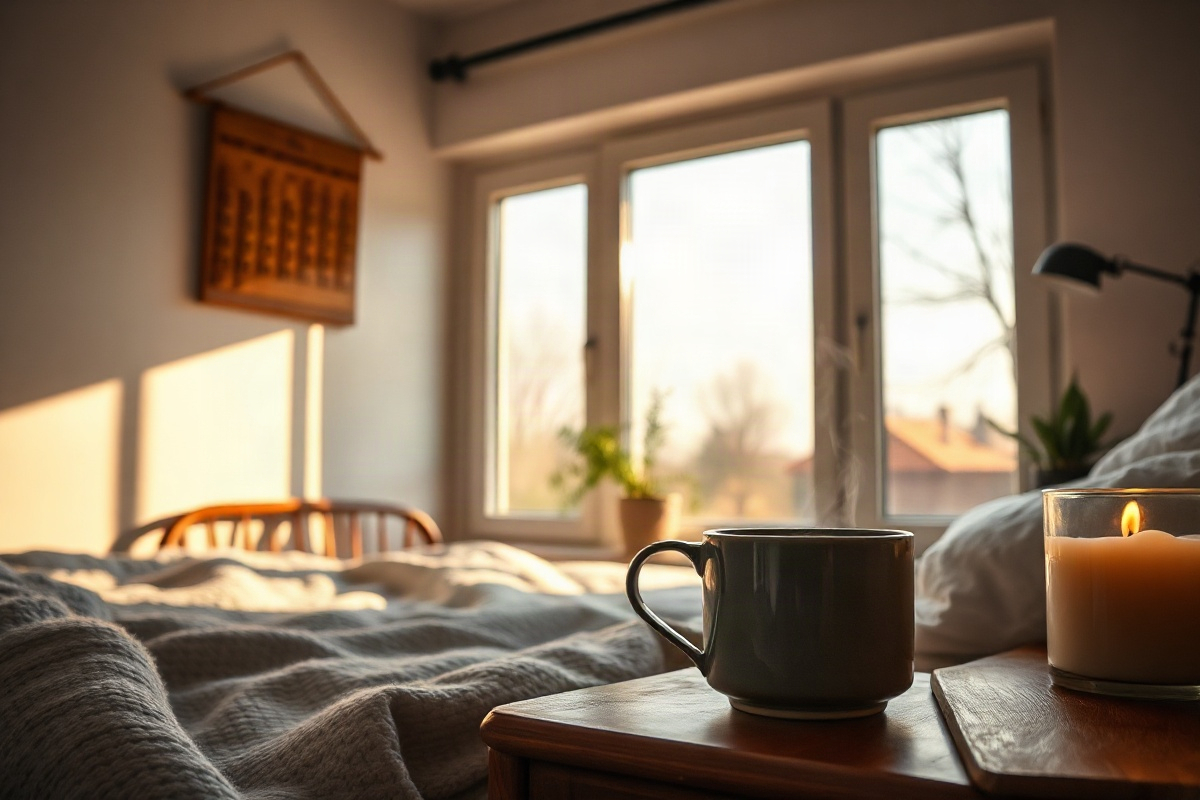
This isn’t just winding down; it’s building a psychological anchor in a timeless sea.
Controlled Light Exposure
Light is the master conductor of your internal clock. The transformative habit here is aggressive, strategic management of light wavelengths, not just brightness. The goal is to simulate a natural rhythm. For the two hours before your shift ends, many successful night workers employ blue-light blocking glasses, like those from Swanwick Sleep, which use a specific amber lens tint (OD 4+). Research published in the Journal of Clinical Sleep Medicine suggests such glasses can significantly improve sleep quality in shift workers. Then, upon leaving work—whether it’s 7 a.m. or 3 p.m.—you seek 15-30 minutes of direct morning sunlight. No sunglasses. This isn’t about a pleasant walk; it’s a deliberate, biological reset. The specific photons in morning light tell your suprachiasmatic nucleus that the “day” is beginning, even if your “day” ends at noon. Conversely, during your shift, especially in the dead hours between 2 a.m. and 4 a.m., exposure to bright, cool-white light is crucial. A desktop light therapy lamp, such as the Carex Day-Light Classic Plus, placed at a 45-degree angle to your face for 20-minute intervals, can combat the inevitable melatonin surge and maintain alertness. You’re not fighting your biology; you’re gently steering it.
Hooked on the night shift?
Free weekly — no spam, unsubscribe anytime.
The Micro-Schedule
The eight-hour night shift is a marathon of fluctuating energy and focus. Treating it as a single block is a recipe for fatigue and mindless snacking. The transformative habit is the micro-schedule, breaking the shift into distinct, named segments with specific, low-energy tasks. For example, a hospital security guard’s night might be divided into: The Rounds (10 p.m.-12 a.m.: physical patrols), The Watch (12 a.m.-2 a.m.: camera monitoring and log updates), The Deep Focus (2 a.m.-4 a.m.: report writing or training modules), and The Sunrise Prep (4 a.m.-6 a.m.: final rounds and shift handover notes). Each segment has a primary and a secondary task. When energy dips during The Watch, the secondary task might be organizing the digital patrol log or hydrating. This structure prevents the hours from blurring into a monotonous slog and creates a sense of progression and completion. It turns time from an enemy into a measured resource.

Nutrient Timing, Not Just Diet
Eating a heavy “dinner” at midnight is a classic mistake that leads to digestive discomfort and sleep disruption. The key shift is moving from three large meals to four smaller, strategically timed “fuelings.” The consensus from long-term night shift owner reports on platforms like MyFitnessPal and Reddit’s r/Nightshift points to a specific pattern: a moderate meal before the shift (6 p.m.), a light, protein-rich snack at the first energy dip (10 p.m.), a complex carbohydrate-based mini-meal at the circadian low point (3 a.m.), and a very light, easily digestible snack after the shift before the Anchor Ritual. The 3 a.m. meal is critical. This is when the body craves quick energy, often leading to vending machine raids. A prepared meal of sweet potato, chicken, and greens provides slow-releasing energy without the crash. Companies like Huel have even developed specific “Shift Worker” meal shakes with adjusted macronutrient profiles for this window, according to their published nutritional spec sheets. You’re not just feeding hunger; you’re fueling a biological engine running against its default settings.
You’re not just feeding hunger; you’re fueling a biological engine running against its default settings.
The Digital Sunset
For the day-walker, a digital curfew is good advice. For the night worker, it’s a survival tactic. The habit isn’t just avoiding screens before bed; it’s creating a mandatory buffer zone between the stimulus of work and the vulnerability of sleep. For 90 minutes after your shift ends, all work-related communication is silenced. Email apps are closed. The work group chat is muted. This buffer is for passive, low-stimulus activity only: listening to an audiobook (not a thrilling podcast), gentle stretching, or preparing your next meal. The most common failure point reported is checking the phone “just once” during the Anchor Ritual. The solution many adopted is a simple, cheap alarm clock—like the DreamSky Compact Digital Alarm—and physically placing their phone in a different room. This habit protects the most valuable commodity a night-shifter has: the quality of their sleep, which directly dictates the quality of their waking life.

Social Rhythm Engineering
Isolation is the silent epidemic of night shift life. The transformative habit is the deliberate, scheduled engineering of social contact. It accepts that spontaneous weekday lunches are off the table and plans around that. This looks like a standing, bi-weekly breakfast “date” with a key friend or partner at 8 a.m. on your Friday. It looks like joining an online community, such as the Night Shift Discord servers, where “good morning” is posted at 2 p.m. It looks like scheduling a 20-minute video call with family during your “lunch” break at 1 a.m., making that strange hour a point of connection rather than loneliness. The data from workplace wellness studies, like those cited by the CDC’s NIOSH, clearly shows that social support is a primary buffer against shift work disorder. You aren’t waiting for the world to accommodate you; you’re building a custom-made world of connection within your unique timeline.
The Purposeful Wind-Down
What do you do with a “day” that starts at 3 p.m. and ends when others are having dinner? The final transformative habit is reclaiming this time as prime living hours, not just a prelude to work. This is the deliberate cultivation of a morning ritual, but for your evening. It could be a 4 p.m. gym session when the crowds are thin, a dedicated hobby hour from 5-6 p.m. for painting or an instrument, or even a “commute” to a cafe to read for pleasure. The critical element is that this time is non-negotiable and framed as the start of your day, not the end of your wakefulness. It shifts your identity from “someone who works nights” to “someone who lives on a different, but equally rich, schedule.” Owner reports from decade-long veterans show this is the habit that most directly combats burnout and fosters a sense of normalcy and control.
The night shift doesn’t have to be a life of deficit, a constant struggle against a sun-lit world. The habits that emerged in 2026 show a path to something else: a life of intentionality, built on the unique clarity and quiet that only the dark hours can provide. The three most critical takeaways are these: First, master your light exposure with the precision of a scientist—it’s the foundation of everything. Second, structure your time in small, named blocks to create momentum and prevent the blur. Third, engineer your social and personal life with the same diligence you apply to your work schedule. Your life isn’t happening elsewhere; it’s happening now, in the profound silence of the night. Start by defining your Anchor Ritual tonight. The rest will follow.
Small changes, real momentum
Get practical guides and templates you’ll actually use — a few thoughtful emails a month.
Frequently Asked Questions
I’ve tried blackout curtains and still can’t sleep during the day. What am I missing?
Blackout curtains address only one piece of the puzzle: light. The deeper issue is often a lack of a consistent, multi-sensory wind-down ritual that convinces your nervous system it’s safe to sleep. The Anchor Ritual is designed for this. Furthermore, temperature is critical. Your body needs to drop its core temperature to initiate sleep. A cool room (around 65°F or 18°C) is essential. Many long-term shift workers also report success with a Chilipad or similar bed-cooling system, as noted in owner reviews on sleep specialty sites. Finally, ensure your sleep time is protected from noise—a consistent sound machine, like the LectroFan Classic, which generates a range of non-looping fan and white noise sounds, is often more effective than sporadic earplugs.
How do I handle weekends and social events without destroying my schedule?
The key is strategic shifting, not complete abandonment. For a Saturday evening event, plan a “nap transition.” Take a 90-minute nap in the late afternoon before the event, then attend. Afterward, do not go straight to bed for a full sleep. Stay up for a few hours, perform your full Anchor Ritual, and then sleep. This resets you closer to your night schedule. For a full weekend switch, it takes discipline. Start shifting your sleep time by 1-2 hours per day in the lead-up, using controlled light exposure aggressively. The most common mistake reported is the “brute force” method—staying up all day Sunday and crashing—which leads to severe sleep debt and a miserable Monday shift. Gradual adjustment is always more sustainable.
Are there any specific health risks I should be monitoring as a night shift worker?
Yes, and vigilance is important. According to NIOSH and the American Heart Association, shift work is associated with increased risks for cardiovascular disease, metabolic conditions like Type 2 diabetes, and certain mood disorders. It’s crucial to have a doctor who understands shift work. Request regular screenings for vitamin D levels, cholesterol, and fasting blood glucose. Due to altered meal times, paying attention to digestive health is also key. Many night workers benefit from a probiotic and ensuring fiber intake is maintained. Your health strategy must be proactive, not reactive. Document your sleep patterns, energy levels, and diet in a simple log—this data is invaluable for both you and your healthcare provider.
Related from our network
You Might Also Like



Stories From the Graveyard Shift
True stories from nurses, truckers, hotel clerks, and security guards who work while the world sleeps. Weekly dispatch.
No spam. Unsubscribe anytime.
