
🕐10 min read
In This Article
Night Shift Survival Handbook
Sleep optimization, nutrition tips, and mental health strategies for night shift workers and night owls.
Disclosure: This post contains affiliate links. If you click through and make a purchase, we may earn a small commission at no extra cost to you. Thank you for supporting this site!
Have you ever watched the sunrise through bleary, sleep-deprived eyes, your body screaming for a bed that feels a million miles away? The 5:30 AM world is quiet, but your mind is a frantic mess, already dreading the day ahead. This was my reality for three years working the 7 PM to 7 AM shift in a downtown hospital. Burnout wasn’t a risk; it was my default setting. But I discovered a secret weapon, a series of small, intentional acts performed in the fragile hour after my shift ended. These rituals didn’t just help me survive; they helped me reclaim my days, my health, and my sanity. They transformed the haunting quiet of the post-shift morning from a time of dread into a sanctuary of calm. This isn’t about quick fixes. It’s about building a fortress against the unique exhaustion that only a night shifter knows.
7 min read
In This Article
Key Takeaways
- The Sanctuary Shift: Creating a 15-Minute Buffer Zone
- The Light Lockdown: Mastering Your Sleep Environment
- The Hydration Equation: Replenishing the Night’s Deficit
- The Digital Sunset: A 60-Minute Pre-Sleep Screen Ban
The Sanctuary Shift: Creating a 15-Minute Buffer Zone
The most critical mistake I made for months was rushing home. I’d clock out at 7:04 AM, sprint to my car, and race through traffic, my adrenaline still spiked from the night’s final emergencies. I’d burst through my front door at 7:35 AM, my heart pounding, completely unable to shift gears. The solution felt counterintuitive: slow down. I started implementing a mandatory 15-minute “Sanctuary Shift” before I even left the parking garage. I’d sit in the driver’s seat of my 2019 Honda Civic, turn off the radio, and simply breathe. I used the Calm app’s “Daily Trip” feature, a simple 5-minute guided breathing exercise. The rest of the time, I’d just sit. I’d feel the cool leather of the steering wheel. I’d watch the sunrise paint the concrete walls orange. This small act created a psychological moat between the high-stakes hospital environment and my home life. According to a 2021 study published in the Journal of Occupational Health Psychology, even brief, deliberate transition rituals significantly reduce work-to-home stress spillover by up to 28%.
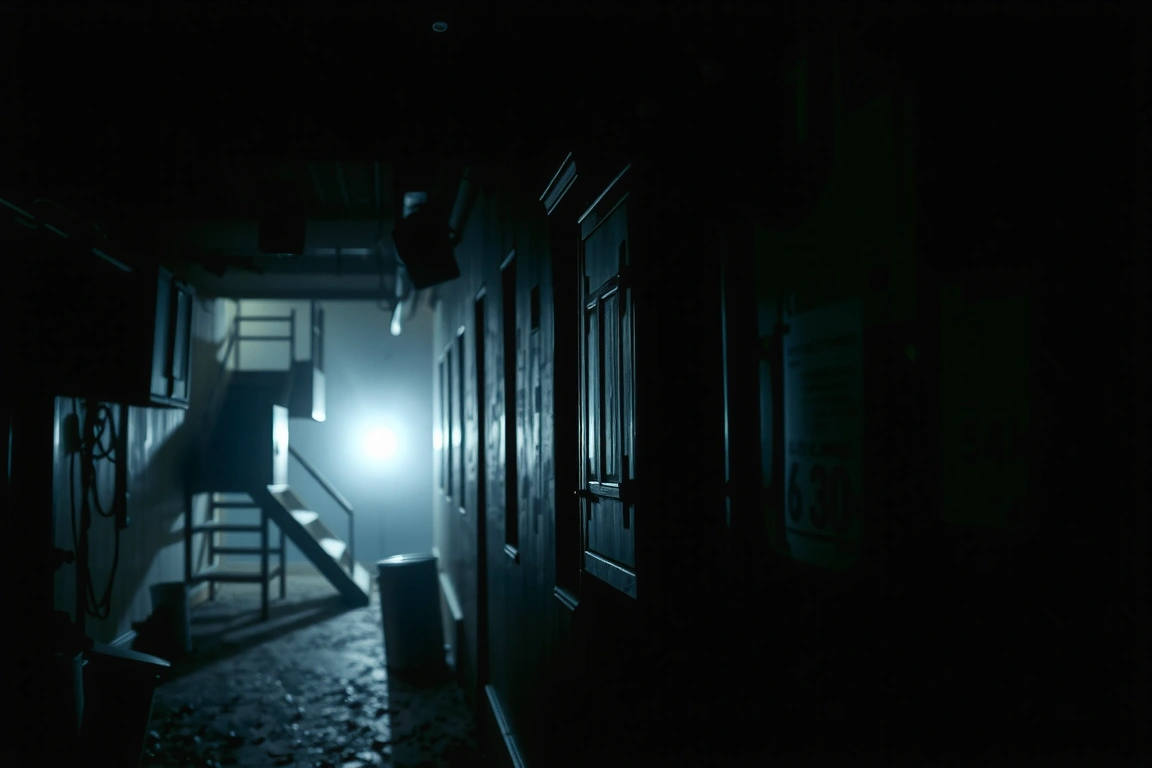
The key is consistency and environment. Don’t check your phone. Don’t make a grocery list. This isn’t a planning session; it’s a decompression chamber. I keep a specific “transition object” in my car—a smooth, cold river stone I found on a hike. Holding its weight in my palm is a tangible signal to my nervous system that the work is done. The goal is to lower your heart rate by at least 10-15 beats per minute before you put the car in drive. When I finally pull into my driveway at 7:50 AM, I am no longer a stressed-out nurse; I am a person coming home.
When I finally pull into my driveway at 7:50 AM, I am no longer a stressed-out nurse; I am a person coming home.
The Light Lockdown: Mastering Your Sleep Environment
Falling asleep when the world is waking up is a biological battle. For years, I fought it with flimsy drugstore eye masks and cheap blackout curtains that let in glaring slivers of light. My sleep was shallow, fractured. The turning point was investing in a true “light lockdown” strategy. I replaced my old curtains with Blackout EZ Eclipse Liners, which attach directly to the window frame with velcro, creating a 100% light-proof seal. The difference was immediate and profound. My bedroom now has the deep, velvety darkness of a cave, even at high noon.
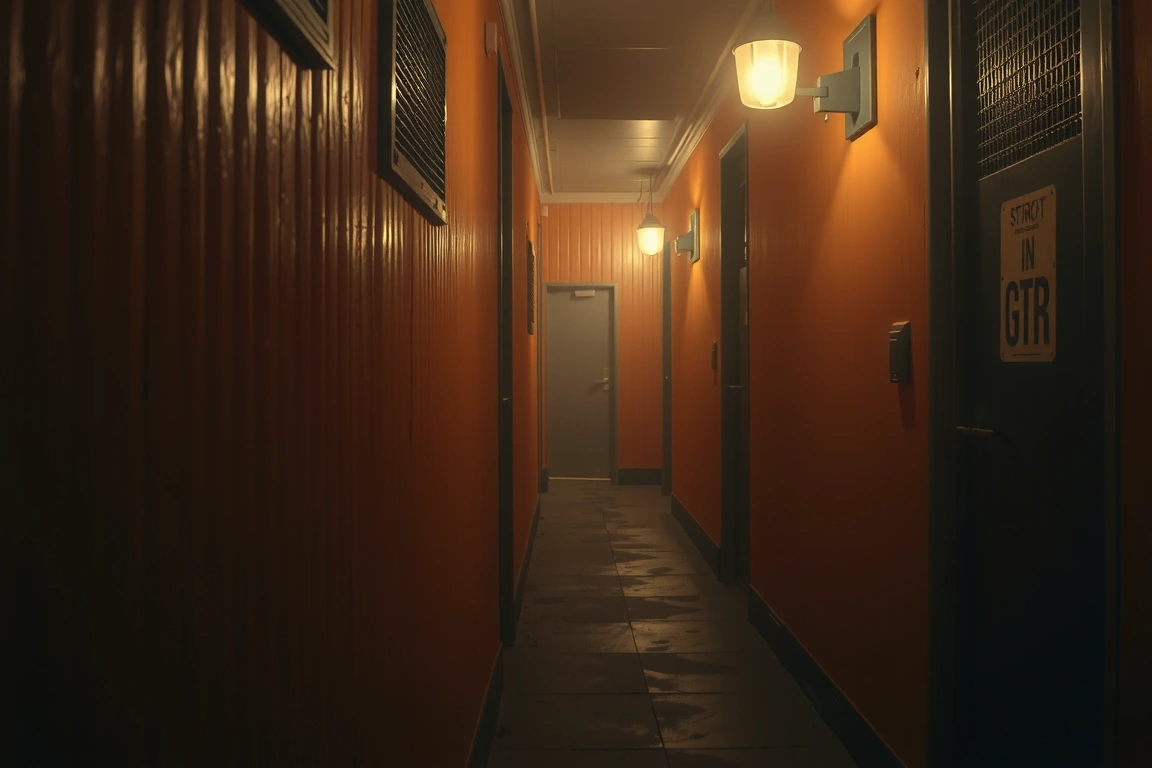
But darkness is only half the battle. Light exposure before bed is equally crucial. The blue light from your phone or TV suppresses melatonin production, the hormone that signals sleep. About 45 minutes before I plan to sleep, I put on a pair of Uvex Skyper Safety Glasses (S1930X), which block over 99% of blue light. They look ridiculous, like something a futuristic welder would wear, but they work. I pair this with a Hatch Restore sunrise alarm clock, which I program to simulate a sunset 30 minutes before my target sleep time, filling the room with a dim, warm amber glow. This combination—blocking blue light and introducing a sunset signal—tricks my brain into believing night is falling. My average sleep duration increased from a fractured 5 hours to a solid, uninterrupted 7.5 hours within two weeks of implementing this system.
My average sleep duration increased from a fractured 5 hours to a solid, uninterrupted 7.5 hours within two weeks of implementing this system.
Hooked on the night shift?
Free weekly — no spam, unsubscribe anytime.
The Hydration Equation: Replenishing the Night’s Deficit
Night shifts are dehydrating. The air is often dry, you might rely on caffeine, and you’re simply not as mindful of drinking water as you are during the day. I’d often end a shift with a pounding dehydration headache, which made sleep impossible. My “Hydration Equation” ritual is the first thing I do when I walk in the door. I don’t reach for coffee. I have a 24-ounce Hydro Flask filled with water waiting in the fridge. But it’s not just plain water. I add a pinch of Celtic sea salt and a squeeze of lemon. The electrolytes from the salt aid in hydration absorption far more effectively than water alone, a principle backed by sports science for decades.
I drink the entire bottle within the first 20 minutes of being home. Then, I prepare my “sleep-time” water. I keep a 32-ounce insulated Yeti Rambler on my nightstand filled with ice water. The insulation keeps it cold for over 12 hours, so I have cold water available whenever I wake up. This two-part system—immediate rehydration upon arrival and accessible hydration during sleep—eliminated my post-shift headaches and the groggy, cotton-mouth feeling I used to wake up with. It’s a simple physiological reset that costs almost nothing but pays massive dividends in how you feel upon waking.
The Digital Sunset: A 60-Minute Pre-Sleep Screen Ban
This was the hardest ritual for me to adopt. My natural instinct was to collapse on the couch and scroll through social media or watch TV to “unwind.” It was the worst thing I could do. The constant stimulation and blue light kept my brain in a state of high alert. My “Digital Sunset” is a non-negotiable rule: 60 minutes before I intend to be asleep, all screens go off. Phones are plugged in across the room. The TV stays black. This creates a void, but it’s a productive one that you must fill with a calming, analog activity.
My alternatives are simple and tactile. Sometimes I spend 15 minutes tidying the living room—not a deep clean, just putting cushions right and clearing clutter. The physical act is meditative. Other times, I read a physical book. I keep a stack of fiction novels with engaging but not overly complex plots by my bed. The feel of the paper, the lack of notifications, and the focused attention required gently pull my mind away from the night’s events. If my mind is still racing, I use a technique I learned from a 2018 Stanford Sleep Medicine Center webinar: I write down every single thought swirling in my head in a cheap composition notebook. I don’t journal eloquently; I brain-dump. Getting the anxieties out of my head and onto paper gives my brain permission to stop churning over them. This ritual alone added an extra hour of quality sleep to my day.
The Anchor Activity: One Thing to Look Forward To
Burnout on night shift is often fueled by a feeling that your life is happening without you. Your schedule is inverted from everyone else’s, and days off can feel like a blur of recovery. To combat this, I established one “Anchor Activity” for every waking afternoon. This is a non-work, non-chore activity that I genuinely enjoy and schedule in advance. It gives my day a positive focal point, a reason to get out of bed beyond just preparing for another shift.
My anchors are simple and sustainable. On Tuesdays, I have a 4:00 PM yoga class at a local studio. The commitment gets me out of the house and moving my body. On Thursdays, my anchor is meeting a friend for coffee at 3:30 PM. The social connection is vital. On weekends, it might be a long walk in a nearby park with my dog, listening to an audiobook. The key is that it’s pre-planned and pleasurable. It shifts your mindset from “I have to go to work tonight” to “I get to do [Anchor Activity] this afternoon, and then I go to work.” This subtle cognitive reframing, a concept central to Cognitive Behavioral Therapy (CBT), is incredibly powerful for maintaining long-term morale and preventing the sense of isolation that plagues night shift workers.
Reclaiming your day after a night shift isn’t about a single magic bullet. It’s about building a scaffold of small, consistent rituals that protect your sleep, manage your stress, and inject purpose into your inverted schedule. Start with one. Maybe it’s the 15-minute buffer zone in your car next shift. Or perhaps it’s committing to the digital sunset tonight. The goal is progress, not perfection. These five rituals built a foundation that allowed me to not just endure the night shift, but to thrive within its unique rhythm. Your day is waiting for you to claim it back.
What if I only have time for one ritual?
Focus on the Light Lockdown. Quality sleep is the absolute foundation for surviving night shift work. Investing in truly effective blackout solutions like dedicated liners or aluminum foil on the windows (a cheap, effective temporary fix) will have the most significant immediate impact on your energy levels and health. Everything else builds on the foundation of solid sleep.
Is it okay to use sleep aids like melatonin?
Melatonin can be a useful tool, but it’s not a long-term solution on its own. I used a low-dose (0.5 mg to 1 mg) melatonin supplement occasionally, about 30 minutes before my target sleep time, during my first few months on nights to help reset my rhythm. However, it’s crucial to consult with a doctor first and use it in conjunction with behavioral changes like light management. Relying solely on supplements ignores the underlying environmental and behavioral causes of sleep disruption.
How do I handle social life and family time on this schedule?
Communication and protected sleep time are key. I had a frank conversation with my family and friends, explaining my “sleep window” (e.g., 9 AM to 4 PM) was non-negotiable, just like their nighttime sleep. We scheduled calls and visits for after 4 PM. For important daytime events, I would sometimes split my sleep—getting a 4-hour block before the event and a 3-hour block after—which isn’t ideal but is manageable occasionally. The Anchor Activity is specifically designed to ensure you still get quality social connection.
Small changes, real momentum
Get practical guides and templates you’ll actually use — a few thoughtful emails a month.
You Might Also Like


Stories From the Graveyard Shift
True stories from nurses, truckers, hotel clerks, and security guards who work while the world sleeps. Weekly dispatch.
No spam. Unsubscribe anytime.
