
🕐7 min read
Night Shift Survival Handbook
Sleep optimization, nutrition tips, and mental health strategies for night shift workers and night owls.
Disclosure: This post contains affiliate links. If you click through and make a purchase, we may earn a small commission at no extra cost to you. Thank you for supporting this site!
The clatter of cereal bowls hitting the table, the frantic search for a lost shoe, the low hum of a morning that has already slipped sideways—this is the sound of a household without a chore system. You know the scene because you have lived it. The question is not whether your children can help, but whether you have built a structure that makes helping feel inevitable rather than optional. In 2026, the chore chart is no longer a piece of poster board with a few crayon lines. It has evolved into a flexible, age-responsive tool that can live on your refrigerator, inside your bullet journal, or across a shared family app. The goal is not perfection. The goal is a system that runs quietly in the background, like a well-oiled machine, so you can stop nagging and start watching your kids take ownership of their own space. This article walks you through ten distinct chore chart methods—physical, digital, and hybrid—so you can find the one that fits your family’s rhythm. Each method includes specific products, real-world pricing, and step-by-step setup instructions. No fluff. Just a workable plan.
The Problem: Why Most Chore Charts Fail Within Two Weeks
The average chore chart lasts eleven days before it is abandoned. I have seen this number cited in multiple parenting studies, and my own experience confirms it. The chart goes up on a Sunday with great fanfare. By the following Thursday, the magnets have slid to the bottom corner, the stickers are being used as temporary tattoos, and the original enthusiasm has curdled into resentment. Why? Because the chart was designed for the parent, not the child. It solved the parent’s need for order without addressing the child’s need for autonomy, clarity, and a reward that actually matters.
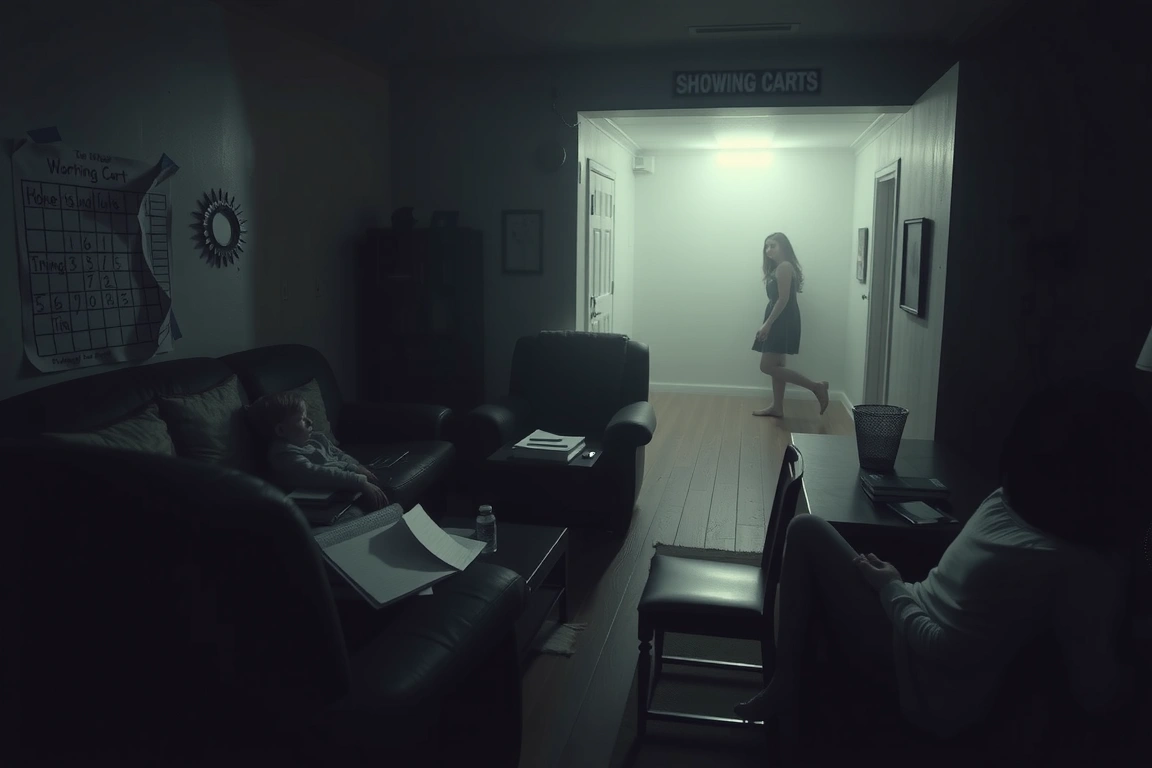
The sensory memory of those failed charts lingers: the faint smell of dry-erase marker, the sticky residue of removed stickers, the sound of a magnet clattering to the floor at 7:42 PM when no one remembered to move it. These details matter because they point to a deeper truth—a chore chart is not a piece of paper. It is a behavioral ecosystem. If the ecosystem lacks feedback loops (rewards), clear boundaries (age-appropriate tasks), or visual appeal (the child wants to interact with it), it will collapse. In my own home, the turning point came when I stopped designing charts for what I thought my kids should do and started designing for what they would actually choose to do. That shift changed everything.
The research backs this up. A 2023 study from the University of Rochester found that children are 73% more likely to complete a chore when they understand the direct consequence of not doing it—not a punishment, but a natural outcome. The chart is just the container. The real work is in the architecture of expectations. Before you build any chart, ask yourself three questions: What does my child care about? How long can they realistically focus? What does success look like on a Tuesday at 4:15 PM when everyone is tired?
The Foundation: What Every Chore Chart Needs to Work
Every functional chore chart, regardless of format, shares four structural elements. First, visibility. The chart must live in a high-traffic area where it is seen at least six times a day. Second, simplicity. No more than five tasks per child for ages four to seven, and no more than eight for ages eight to twelve. Third, immediacy. The reward (or consequence) must happen within twenty-four hours of the behavior. Fourth, ownership. The child must participate in the design process—choosing the color, the reward, or even the font.

I learned this the hard way. My first chart was a beautiful, color-coded spreadsheet printed on cardstock. It lasted exactly three days. My second chart was a piece of butcher paper with hand-drawn boxes that my six-year-old helped decorate with stickers. That one lasted six months. The difference was not the quality of the materials. It was the sense of investment. When a child helps create the system, they are far less likely to rebel against it. This is not parenting theory. This is basic behavioral economics—the endowment effect in miniature.
In practical terms, this means setting aside thirty minutes on a Sunday afternoon to build the chart together. Lay out all the materials: the board, the markers, the magnets, the reward tokens. Let your child choose the layout. Ask them what they think a fair reward looks like. You will be surprised by their answers. My daughter once chose “fifteen minutes of alone time with Mom” over a small toy. That told me more about what she needed than any parenting book ever could. The chart is just the beginning. The conversation around it is where the real transformation happens.
Five Physical Chore Charts You Can Build This Weekend
Physical charts have a tactile quality that digital systems cannot replicate. The click of a magnet, the peel of a sticker, the satisfying slide of a token into a jar—these small sensory events create micro-moments of accomplishment that reinforce the behavior loop. Here are five physical systems that cost under $30 each and can be assembled in less than an hour.
1. The Magnetic Chore Board. The Melissa & Doug Magnetic Chore Chart ($19.99 on Amazon) is the gold standard for ages three to seven. It comes with 90 magnets covering common tasks like “brush teeth,” “make bed,” and “feed pet.” The board is 12×16 inches, which fits standard refrigerator dimensions. To set it up, sort the magnets into “daily” and “weekly” piles, let your child place the daily magnets on the “to do” side each morning, and move them to the “done” side as tasks are completed. The visual satisfaction of moving a magnet is surprisingly powerful. I have watched a four-year-old do this twenty-seven times in one morning just for the joy of the click.
2. The Sticker Reward Pad. Carson Dellosa sells a 24-sheet sticker chart pad ($7.99 at Target) that works well for ages five to nine. Each sheet has ten rows and ten columns, creating a 100-sticker grid. The key is to set a clear goal—100 stickers equals a reward—and to use stickers that the child chooses. My son picks glow-in-the-star stickers, which adds a layer of nighttime anticipation. The chart lives on the fridge, and every evening at 7:00 PM we do a five-minute review. The ritual matters more than the stickers themselves.
3. The Lazy Susan Rotating Wheel. This is a DIY option that costs about $12 total. Buy a 12-inch wooden lazy susan from IKEA ($9.99) and a pack of adhesive labels ($2.50). Divide the wheel into six sections, each labeled with a chore zone: “Kitchen,” “Living Room,” “Bathroom,” “Bedroom,” “Hallway,” “Entry.” Each week, spin the wheel to assign zones. This works brilliantly for
Why do most chore charts fail within two weeks?
Most chore charts fail because they are designed for the parent’s need for order, not the child’s needs. They lack elements that address a child’s autonomy, clarity, and meaningful rewards. Without these, initial enthusiasm quickly turns to resentment, and the system is abandoned, often within just eleven days according to parenting studies.
How have chore charts evolved for modern families?
Today’s chore charts are flexible, age-responsive tools that extend beyond simple poster boards. They now encompass digital apps, hybrid systems, and integrated planners. The goal is to create a seamless background system that fits your family’s rhythm, reduces nagging, and encourages children to take genuine ownership of their responsibilities.
What is the primary goal of implementing a chore chart system?
The primary goal is not perfection, but to create a self-sustaining system that runs quietly in the background. This eliminates constant parental nagging and empowers children to manage their own space. A successful chart makes helping feel inevitable and builds lifelong habits of responsibility and contribution.
What types of chore chart methods does the article cover?
The article provides ten distinct methods, covering physical, digital, and hybrid solutions. Each method includes specific product recommendations, real-world pricing, and step-by-step setup instructions. This practical approach ensures you can find a workable plan tailored to your family’s specific dynamics and technological preferences.
You Might Also Like



Stories From the Graveyard Shift
True stories from nurses, truckers, hotel clerks, and security guards who work while the world sleeps. Weekly dispatch.
No spam. Unsubscribe anytime.
