
🕐6 min read
In This Article
Night Shift Survival Handbook
Sleep optimization, nutrition tips, and mental health strategies for night shift workers and night owls.
The Lure of the Unknowable: What is Cosmic Horror?
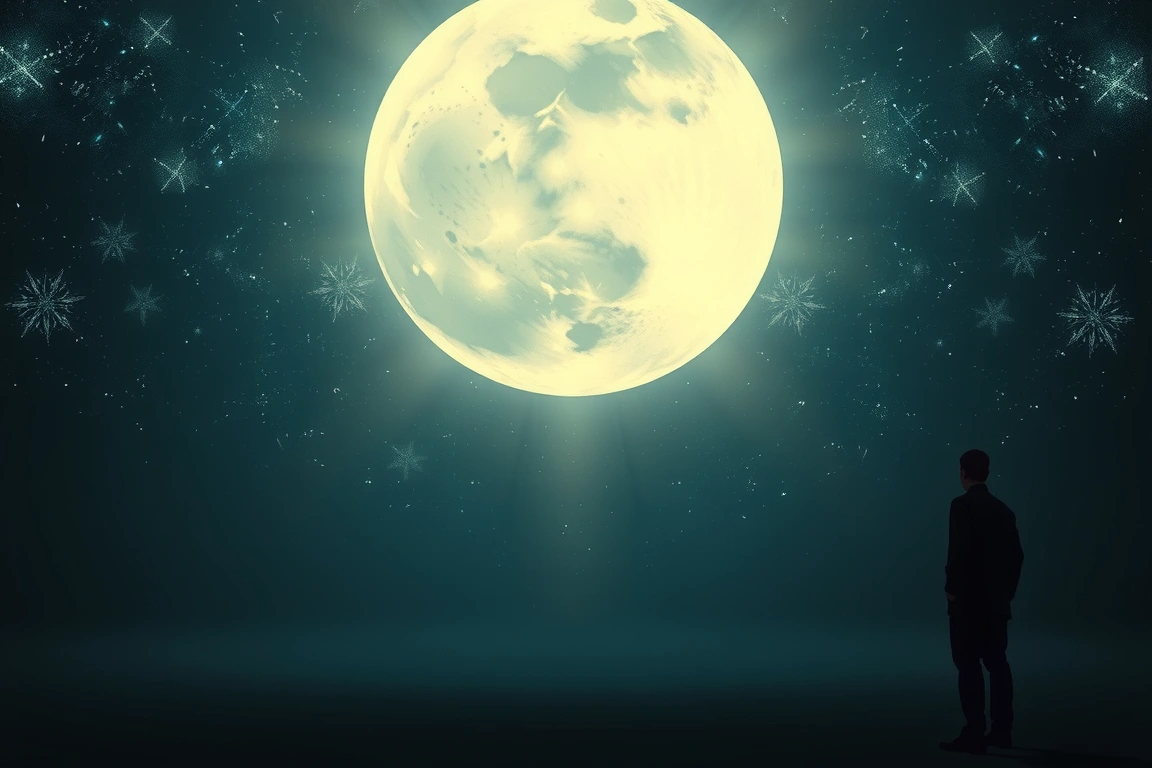
In the vast landscape of horror fiction, few genres evoke a sense of dread as profound and unique as cosmic horror. Born from the mind of H.P. Lovecraft, this subgenre trades vampires and ghosts for something far more terrifying: the terrifying indifference of the universe. Cosmic horror suggests that humanity is not the center of creation but an insignificant speck in a cosmos filled with ancient, incomprehensible entities. The horror doesn’t come from a monster wanting to kill you, but from the realization that the universe doesn’t care if you live or die. This feeling of cosmic insignificance, of fragile sanity shattering against the rocks of an uncaring reality, is the chilling core of Lovecraftian fiction.
Disclosure: This post contains affiliate links. If you click through and make a purchase, we may earn a small commission at no extra cost to you. Thank you for supporting this site!
Unlike traditional horror that aims for a quick jump scare, cosmic horror builds a creeping, lingering atmosphere of unease. It’s the horror of forbidden knowledge, where simply understanding a truth can unravel your mind. The aesthetic is one of weird geometry, non-Euclidean architecture, cyclopean ruins, and beings whose very forms defy description. If you’re ready to explore stories where the true terror lies in the vast, dark spaces between the stars, the following books are an excellent place to begin your descent.
Foundations of Fear: Essential Lovecraft and His Immediate Heirs
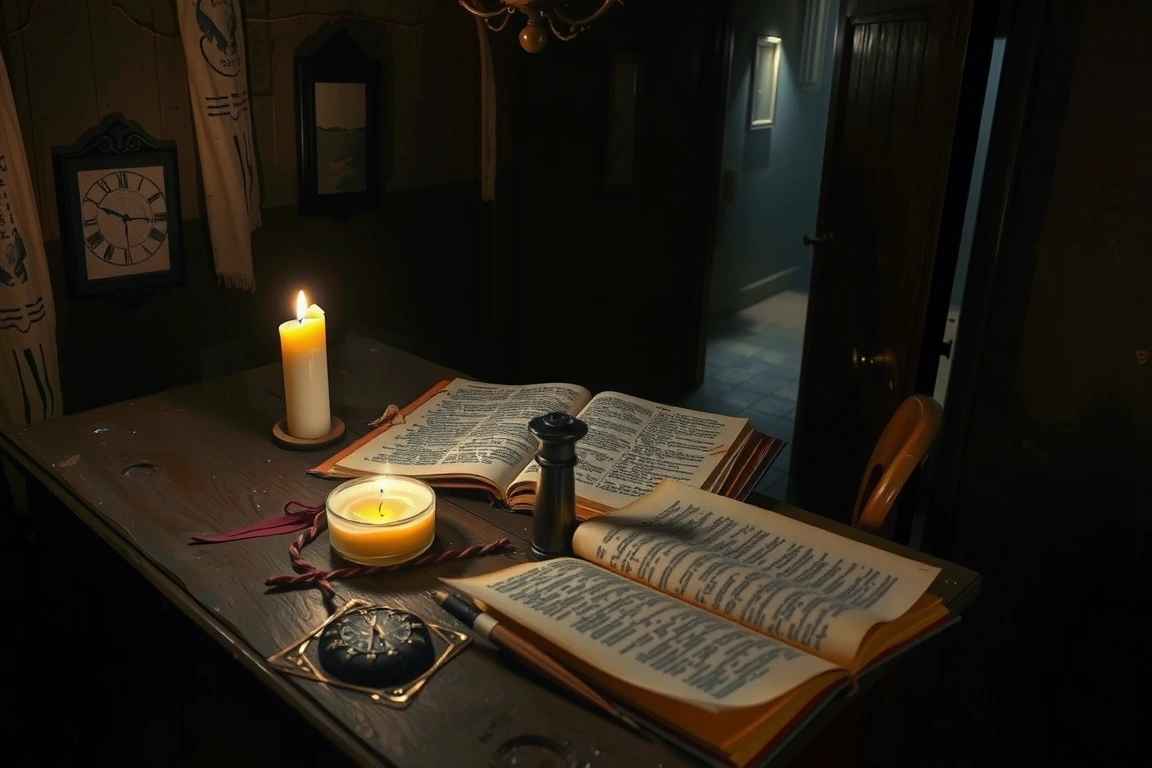
To understand cosmic horror, one must start at the source. While his prose can be dense, H.P. Lovecraft’s own stories established the core tenets of the genre. Collections like The Complete Fiction of H.P. Lovecraft are treasure troves of foundational tales. Key stories include “The Call of Cthulhu,” which introduces the concept of ancient gods sleeping on Earth, and “At the Mountains of Madness,” a chilling Antarctic expedition story that explores the terrifying history of the planet. “The Shadow over Innsmouth” delivers a palpable sense of dread in a decaying coastal town, exploring themes of heredity and transformation.
Lovecraft’s legacy was carried forward by authors who shared his vision. August Derleth, while sometimes criticized for organizing Lovecraft’s mythos into a more traditional good-versus-evil framework, was instrumental in publishing and popularizing the work after Lovecraft’s death. Another crucial heir is Clark Ashton Smith, a contemporary of Lovecraft whose stories are equally rich in poetic language and bizarre, cosmic landscapes, often set in distant pasts or futures. Reading these authors provides the essential grammar for understanding the language of cosmic horror.
Modern Masters: Cosmic Horror for the Contemporary Reader
The spirit of Lovecraft is far from dead; it has evolved and thrived in modern literature. Today’s authors have expanded the genre, often infusing it with deeper character development and addressing the social shortcomings of Lovecraft’s own worldview.
Laird Barron
Laird Barron is often considered the modern successor to Lovecraft. His collections, such as The Imago Sequence and Other Stories and The Beautiful Thing That Awaits Us All, transplant cosmic dread into a contemporary American setting. Barron’s horror is visceral and intelligent, often featuring hard-boiled protagonists who stumble upon ancient, predatory intelligences lurking in the wilderness or the upper echelons of society. His work masterfully blends the cosmic with the grotesque.
Thomas Ligotti
If Lovecraft feared humanity’s insignificance in the cosmos, Thomas Ligotti takes it a step further by questioning the very nature of reality and consciousness. His work, found in collections like Songs of a Dead Dreamer and Grimscribe or Teatro Grottesco, is more philosophically pessimistic. Ligotti presents a world that is not just indifferent but actively malignant and illusory. His stories are dense, dreamlike, and profoundly unsettling, appealing to readers who enjoy horror that operates on a deeply intellectual level.
Victor LaValle
Victor LaValle’s brilliant novel, The Ballad of Black Tom, is a direct and powerful response to one of Lovecraft’s most problematic stories, “The Horror at Red Hook.” LaValle retells the story from the perspective of a black street musician in 1920s Harlem, confronting the racism in Lovecraft’s original head-on while simultaneously delivering a masterclass in cosmic terror. It demonstrates how the genre can be reclaimed and used to explore contemporary themes of marginalization and resistance.
Frequently Asked Questions
What makes a book “Lovecraftian” beyond just having monsters?
A truly Lovecraftian story prioritizes atmosphere and theme over straightforward monster horror. Key elements include the “cosmic indifference” of the universe, the fragility of human sanity, the terror of forbidden knowledge, and the existence of ancient, incomprehensible beings (Great Old Ones, Outer Gods) whose motives are alien to humanity. The horror is existential rather than physical.
I find Lovecraft’s original writing difficult to read. Where should I start with modern cosmic horror?
This is a common issue. Excellent starting points include The Ballad of Black Tom by Victor LaValle for a concise and powerful novella, or American Elsewhere by Robert Jackson Bennett, which blends suburban mystery with cosmic weirdness. These books offer accessible prose while fully embracing the core themes of the genre.
Are there any cosmic horror books with more relatable characters?
Absolutely. Modern authors have significantly improved character development in the genre. Caitlín R. Kiernan’s works, such as The Drowning Girl, feature complex, deeply psychological protagonists. Similarly, Ruthanna Emrys’ Winter Tide offers a poignant and humanizing perspective on the creatures and lore from Lovecraft’s “The Shadow over Innsmouth,” creating a deeply character-driven cosmic horror story.
You Might Also Like


Stories From the Graveyard Shift
True stories from nurses, truckers, hotel clerks, and security guards who work while the world sleeps. Weekly dispatch.
No spam. Unsubscribe anytime.
