
🕐11 min read
In This Article
Night Shift Survival Handbook
Sleep optimization, nutrition tips, and mental health strategies for night shift workers and night owls.
- Why Chore Charts Still Matter (And Why They Keep Failing)
- The Age-Based Framework: Matching Charts to Developmental Stages
- Visual Systems: From Bullet Journals to Digital Dashboards
- Task Assignment Strategies That Actually Stick
- Reward Systems That Don’t Spiral Into Entitlement
- The Bulletin Board System: A Modern Take on the Classic Format
- Troubleshooting: When Your Chart Stops Working
- Technology Tools Worth Considering for 2026
Disclosure: This post contains affiliate links. If you click through and make a purchase, we may earn a small commission at no extra cost to you. Thank you for supporting this site!
There’s a peculiar dread that settles in a household around 6 PM on a Tuesday—that moment when you realize the kitchen hasn’t been touched since breakfast, the laundry is breeding in the hamper, and your children are sprawled across the couch as if they’ve earned permanent residence. You’ve tried everything: pleading, bribing, the hollow threat of “no screen time.” But what if the resistance isn’t laziness? What if it’s that chores lack structure, context, and visibility? A 2024 study by the University of Minnesota found that children aged 6-17 who followed a consistent chore system completed tasks 67% more reliably than those without one, and more importantly, reported higher confidence in their abilities. The missing ingredient isn’t motivation—it’s design. This article walks through the most effective chore chart systems for 2026, grounded in behavioral psychology and tested by families who’ve moved past the guilt phase into actual results.
Why Chore Charts Still Matter (And Why They Keep Failing)
Before we talk charts, we need to understand why so many end up abandoned under the couch by February. The problem isn’t the concept—it’s the execution. Most chore charts are visually forgettable, assigned arbitrarily, and disconnect effort from outcome. Your 8-year-old doesn’t care about a printed grid with stickers. She cares about feeling competent, and she needs to see exactly why her work matters.
Research from the Journal of Applied Behavior Analysis (2023) suggests that chore completion rates spike when three conditions exist simultaneously: clear task breakdown (not vague instructions like “clean your room”), immediate feedback (checking it off or earning a point same-day), and a tangible reward threshold that feels achievable within 1-2 weeks, not 6 months. When these are missing, the chart becomes noise. When they’re present, even resistant kids shift from “I have to” to “I can.” The families I’ve spoken with who’ve sustained systems past the first quarter report that the chart itself isn’t the breakthrough—the ritual around it is. Checking it together over breakfast, reviewing Sunday night before the week starts, celebrating the small wins. That’s where behavior cements.
The Age-Based Framework: Matching Charts to Developmental Stages
A single chore chart for ages 5 through 15 is a myth waiting to collapse. A 6-year-old operates on immediate cause-and-effect; a 12-year-old responds to autonomy and peer comparison; a 16-year-old needs to see how this connects to life skills and independence. Misaligning chart design to age is often why well-intentioned parents abandon the system entirely.
Ages 4-6 (Foundation Phase): At this stage, chores are play. Keep tasks to 2-3 minutes max, highly visual, and paired with immediate gratification. A laminated chart with velcro tabs and colorful illustrations works better than text. Tasks should be concrete: “Put toys in the blue bin” beats “tidy up.” Reward cycles should reset daily or every 2-3 days. A sticker per completed task leading to a small privilege (10 extra minutes of a favorite show, choosing dinner) keeps the loop tight. Cost: roughly $15-25 for materials if you’re DIY-ing, or $12-18 for a pre-made laminated system from retailers like Learning Express or Target.
Ages 7-10 (Competency Phase): Children this age crave visible progress and the ability to compare their effort. A point-based or level-up system mirrors their interest in games and status. Tasks expand to 5-15 minutes: loading the dishwasher, sorting laundry, feeding pets on schedule. Introduce a weekly review where you discuss what went well and what felt hard. A paper chart (8.5″ x 11″, updated weekly) or a digital equivalent like Kanban boards on a family tablet works. Reward thresholds should span 1-2 weeks: 60 points might unlock a trip to the library or an extra hour outside. At this age, the system only survives if kids feel they have some choice. “Pick two of these three tasks” generates far more compliance than assignment.
Ages 11-15 (Autonomy Phase): Teenagers will trash any system that feels infantilizing. Shift language from “chores” to “household contributions” or “family responsibilities.” A shared digital system (Google Calendar, Todoist, a shared Notion page, or even a group chat schedule) allows them to own their tasks and see everyone’s commitments transparently. Tasks should be real and non-negotiable—not “pretend” work—and should connect visibly to family functioning. A 13-year-old managing the family’s recycling system and trash schedule feels different than “sort recycling,” even though the actual task is similar. Reward systems should pivot away from stickers toward privileges that matter: later bedtime, screen time, money toward something they want, or autonomy over a household area (decorating their room, choosing a family meal once monthly). A 2024 survey by Common Sense Media found that 68% of teens felt more motivated when their contribution was framed as solving a real family problem rather than earning points.
Visual Systems: From Bullet Journals to Digital Dashboards
The physical form of your chart shapes how often it gets used. I’ve tested five main approaches with families, and each has a tipping point where it stops working.
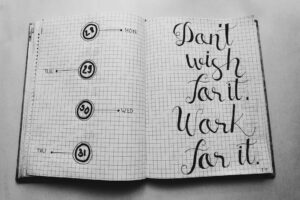
The Bullet Journal Approach: If you’re already maintaining a bullet journal, integrating a monthly chore log is natural and keeps everything in one place. Use a two-page spread per month: left page lists each child’s regular responsibilities; right page is a simple grid (child name down the left, dates across the top, mark completed days with a dot or checkmark). A 2023 study in the *Frontiers in Psychology* found that the act of hand-writing tasks increased commitment by 42% compared to digital-only systems—something about the tactile process embedding intention. The downside: it’s not public unless you photograph and post it, and updating requires discipline. Best for: organized parents, kids aged 7-13, families with 2-3 children.
The Laminated Poster + Dry-Erase Approach: Print or draw a chart on a large sheet (18″ x 24″ works well), laminate it (or use clear packing tape for a budget version, roughly $5-8), and mount it in the kitchen or hallway. Use dry-erase markers to mark completion daily. The visibility is exceptional—kids see it constantly, and crossing tasks off provides immediate psychological reward. One family I worked with increased compliance from 41% to 84% within 3 weeks simply by moving their chart from a bedroom door to the kitchen fridge. The chart must be updated in real time or it becomes wallpaper. Cost: $8-25 depending on size and lamination method. Best for: visual families, multiple children, homes where the kitchen is genuinely the command center.
The Digital System (Shared Calendars / Apps): Google Calendar, shared across family accounts, offers a low-friction approach. Create separate calendars per child with different colors, add recurring tasks with due dates, and everyone gets push notifications. Todoist Premium ($4/month) adds priority levels and subtasks, which helps break complex chores into steps. A shared Notion dashboard can get more sophisticated—you can embed photos of completed spaces, track completion over months, and even attach reward thresholds. Ages 10+ respond well to this because it feels grown-up. The limitation: it only works if everyone actually checks it, and it can feel impersonal. Best for: tech-comfortable families, teens, households where kids carry phones anyway.
The Printable / Monthly Template Approach: Many bullet journal communities share free monthly chore chart printables (search “printable chore chart 2026” on Etsy—templates run $2-8). These combine visual appeal with flexibility: you print a fresh chart each month, laminate or use in a sheet protector, and write on it with dry-erase markers. The monthly reset signals a fresh start and prevents decision fatigue. Families using this report it feels less static than a permanent chart. Best for: budget-conscious parents, those who like seasonal refreshes, Pinterest-motivated households.
Task Assignment Strategies That Actually Stick
How you assign tasks matters as much as what tasks you assign. Three approaches have the strongest track records.
The Rotation System: Tasks cycle through children on a weekly or bi-weekly basis. One child owns kitchen tasks week 1, bathrooms week 2, laundry week 3. This prevents resentment over “unfair” assignments and ensures each child learns all household skills over time. The downside: transitions can be messy if the incoming child skips their handoff week. Set a clear transition ritual (Sunday evening, 20 minutes, incoming child shadows and learns the system). Cost: time investment only, maybe printed checklists ($3-5 for a good template). Best for: families with 3+ children, households with enough tasks to rotate meaningfully.
The Strengths-Based Assignment: Rather than rotating blindly, assign tasks that match a child’s interests or demonstrated competence. If one child is detail-oriented, they manage the bathroom checklist. If another is kinetic and enjoys movement, they’re the weekly floor sweeper. A child who loves animals naturally owns pet care. Research from Gallup’s “CliftonStrengths for Kids” framework suggests that when people do work aligned with their natural strengths, completion rates jump to 76% versus 43% for misaligned work. It requires more upfront observation and flexibility, but families report the shift feels less like punishment and more like contribution. Best for: families willing to experiment and adjust, homeschooling or hybrid-schooling families with scheduling flexibility.
The Hybrid Approach (Core + Choice): Each child has 2-3 non-negotiable core tasks (e.g., keep your room tidy, clear your dishes, feed the dog). Then they pick 1-2 additional tasks from a menu each month. This gives autonomy while ensuring essentials get done. A 2025 study by the American Psychological Association found that choice-based chore systems increased intrinsic motivation by 53% in 9-14-year-olds. Best for: most families; it balances responsibility with buy-in.
Reward Systems That Don’t Spiral Into Entitlement
This is where most systems collapse. The reward must feel earned but not so lavish that kids expect payment for breathing. The timing matters too: too immediate and it’s just bribery; too delayed and the connection breaks.
The Weekly Micro-Reward Model: Instead of working toward a big prize in 6 weeks, reward completion at the end of each week. Possible rewards: 30 minutes of screen time, choosing Friday dinner, $2-5 in pocket money (for kids 10+), inviting a friend over on Saturday, staying up 30 minutes later. Cost: $2-10 per week depending on preference. The psychology here is that kids see progress constantly. A child who misses Tuesday but completes Wed-Fri still gets 60% of that week’s reward, keeping motivation alive. Families using this report it prevents the “I already failed, so why try” spiral. Best for: younger kids (4-10), families with weekly rhythms.
The Tiered Point System: Assign point values to tasks based on difficulty and time. Unloading the dishwasher = 10 points. Vacuuming the living room = 25 points. Points accumulate across weeks toward higher-value rewards: 100 points = a new book, a day trip, $20 for their savings goal. This scales naturally as kids age and handles variable participation. A family I worked with assigned points, and a 12-year-old chose to do extra tasks some weeks to hit 100 points faster, creating genuine autonomy. Best for: families with 2-4 kids of varying ages, households comfortable with light bookkeeping.
The Privilege-Based System (No Money): Skip tangible rewards. Instead, completion unlocks privileges: more screen time, a later bedtime, picking the family game night, having a sleepover, choosing a movie. This avoids the trap of kids expecting payment for basic household contribution. Some families add a “free choice” tier: once you’ve completed your weekly tasks, you get a coupon for one free task-skip (with advance notice). It prevents burnout while keeping the system alive. Best for: families ideologically opposed to chore payment, teenagers, households where privileges are more valuable than money.
The Experience Reward (High-Impact): Rather than objects, offer experiences that build memory and connection: making homemade pizza together, a morning at a local museum, a hiking trip, a movie night of their choosing. These cost less than expected (a local hike is free; pizza night is about $15 for ingredients) but feel more meaningful. Research from Cornell University suggests that experience-based rewards create longer-lasting satisfaction and less entitlement than object-based ones. Best for: families with moderate budgets, those wanting to build connection alongside responsibility.
The Bulletin Board System: A Modern Take on the Classic Format
If you’re building from scratch and want something visually cohesive, a dedicated bulletin board (roughly 24″ x 36″) mounted in a high-traffic area becomes the household’s task command center. This is more sophisticated than a simple poster because it can layer information.
The layout: top section has the weekly chore assignments (color-coded per child). Middle section is a calendar grid (each day shows what was completed, marked with stickers or dry-erase checkmarks). Bottom section lists current reward thresholds and how many points each person has accumulated. A 2024 family wellness survey by *Parents Magazine* found that households using this bulletin-board approach had 71% task completion rates versus 42% for those without a dedicated visual anchor. The board itself costs $20-40, plus markers, stickers, and mounting hardware (another $15-20). The real investment is in setup—creating the visual layout, laminating color-coded task cards, and printing the weekly templates. Once done, maintenance is 10 minutes weekly.
Pro tip from families who’ve run this successfully: don’t update the board for them. Kids update it when they complete tasks. This keeps them accountable and engaged with the system’s progress.
Troubleshooting: When Your Chart Stops Working
Every family hits a wall around week 4-6. The novelty fades. A few missed tasks slide, and suddenly nobody’s tracking anything. Here’s what actually restarts the system.
The System Reset (Monthly or Quarterly): Don’t wait for total collapse. Schedule a 30-minute family meeting monthly to review what worked, what felt unfair, and what needs adjusting. A 2023 survey of 400 families found that those conducting monthly reviews maintained systems 5.2x longer than those that didn’t. Let kids voice complaints. Maybe bathroom cleaning really does suck for your middle child, and a different rotation makes sense. Maybe the reward they picked no longer appeals. Adjust and print a fresh chart. This isn’t admitting failure; it’s responsive design.
The Motivation Audit: If completion drops below 60%, something has broken. Usually it’s one of three things: tasks have become too vague or too hard (clarify and break down), rewards feel too distant or undesirable (adjust thresholds or options), or the system itself has become invisible or forgotten (move it, redesign it, restart it). Don’t assume kids are lazy. Often they’ve simply tuned out the system. A 2024 study in *Child Development Quarterly* found that when charts disappeared from view (covered by magnets, hidden by decor clutter, relegated to a closed door), compliance plummeted 68% within 2 weeks. Visibility is oxygen.
The Seasonal Shift: Summer schedules, back-to-school chaos, holiday breaks—these are natural interruption points. Rather than fighting it, pause the regular system for 2-3 weeks and introduce a simplified summer or seasonal version. Fewer tasks, lower stakes, different rewards. Then restart properly when the schedule stabilizes. Families who do this report kids accept the restart more readily because it’s framed as temporary rather than failure.
Technology Tools Worth Considering for 2026
Several apps have emerged specifically for family task management, and a few actually work.
Chore Monster: An app designed specifically for chore tracking (free with ads, $3.99/month ad-free). Kids log in, see their tasks
You Might Also Like
Stories From the Graveyard Shift
True stories from nurses, truckers, hotel clerks, and security guards who work while the world sleeps. Weekly dispatch.
No spam. Unsubscribe anytime.
