
🕐9 min read
In This Article
Night Shift Survival Handbook
Sleep optimization, nutrition tips, and mental health strategies for night shift workers and night owls.
- 1. The Strategic Caffeine Cut-Off
- 2. The Pre-Shift “Sun Lamp” Ritual
- 3. The Hydration Equation: Water > Coffee
- 4. The Midnight Meal Strategy
- 5. The Power Nap Protocol
- 6. The “Blue Light Lockdown” for Daytime Sleep
- 7. The Wind-Down Walk
- 8. The Consistent Sleep-Wake Schedule (Even on Off-Days)
- 9. The “Anchor” Meal After Waking
- 10. The Weekly Energy Audit
- Sources & further reading
Disclosure: This post contains affiliate links. If you click through and make a purchase, we may earn a small commission at no extra cost to you. Thank you for supporting this site!
The fluorescent lights hummed a flat, dead note at 2:47 AM. My third cup of coffee had curdled in my stomach, and the glare from the security monitors painted my face a sickly blue. My energy wasn’t just low; it was a negative integer, a debt my body couldn’t repay. This was my life for years, a graveyard shift security guard chasing sunrise with caffeine and dread. Then, in early 2026, I decided to stop fighting my schedule and start working with it. I began a personal experiment, a systematic overhaul of my after-dark existence. What I discovered weren’t complicated biohacks, but ten simple, powerful habits that didn’t just give me energy—they transformed my entire relationship with the night. This is what worked.
7 min read
In This Article
- 1. The Strategic Caffeine Cut-Off
- 2. The Pre-Shift “Sun Lamp” Ritual
- 3. The Hydration Equation: Water > Coffee
- 4. The Midnight Meal Strategy
- 5. The Power Nap Protocol
- 6. The “Blue Light Lockdown” for Daytime Sleep
- 7. The Wind-Down Walk
- 8. The Consistent Sleep-Wake Schedule (Even on Off-Days)
- 9. The “Anchor” Meal After Waking
- 10. The Weekly Energy Audit
Key Takeaways
- 1. The Strategic Caffeine Cut-Off
- 2. The Pre-Shift “Sun Lamp” Ritual
- 3. The Hydration Equation: Water > Coffee
- 4. The Midnight Meal Strategy
1. The Strategic Caffeine Cut-Off
My first mistake was treating coffee like an IV drip. I’d drink a large black coffee at midnight, another at 2 AM, and sometimes a third around 4 AM just to survive. The result? A frantic, jittery energy that crashed by my 7 AM drive home, leaving me too wired to sleep but too exhausted to function. The change was brutal but essential: a hard caffeine cut-off exactly six hours before my target bedtime. For a 9 AM sleep goal, that meant my last caffeinated beverage happened at 3 AM, without exception. I swapped that 4 AM coffee for hot water with lemon or a caffeine-free herbal tea like Traditional Medicinals’ Nighty Night. Within three days, the quality of my daytime sleep improved dramatically. I was falling asleep faster and waking up feeling restored, not ragged. The key is consistency; even one slip-up can reset your progress.

The key is consistency; even one slip-up can reset your progress.
2. The Pre-Shift “Sun Lamp” Ritual
Our bodies are hardwired to follow the sun. Working against that cycle is the core challenge of night shifts. In January 2026, I invested in a Verilux HappyLight Luxe, a 10,000-lux light therapy lamp with a screen size of 7.5 x 9.5 inches. Every evening, 30 minutes before leaving for my 10 PM shift, I’d sit with the lamp positioned at a 45-degree angle about 16 inches from my face. I’d spend those minutes reading a physical book or planning my shift in my bullet journal—no phones allowed. This 30-minute blast of bright light tricks the brain’s suprachiasmatic nucleus into thinking it’s morning, effectively shifting your circadian rhythm. After two weeks of consistent use, I noticed I felt more alert and positive during the first half of my shift, combating that initial wave of fatigue that used to hit me around midnight.
Hooked on the night shift?
Free weekly — no spam, unsubscribe anytime.
3. The Hydration Equation: Water > Coffee
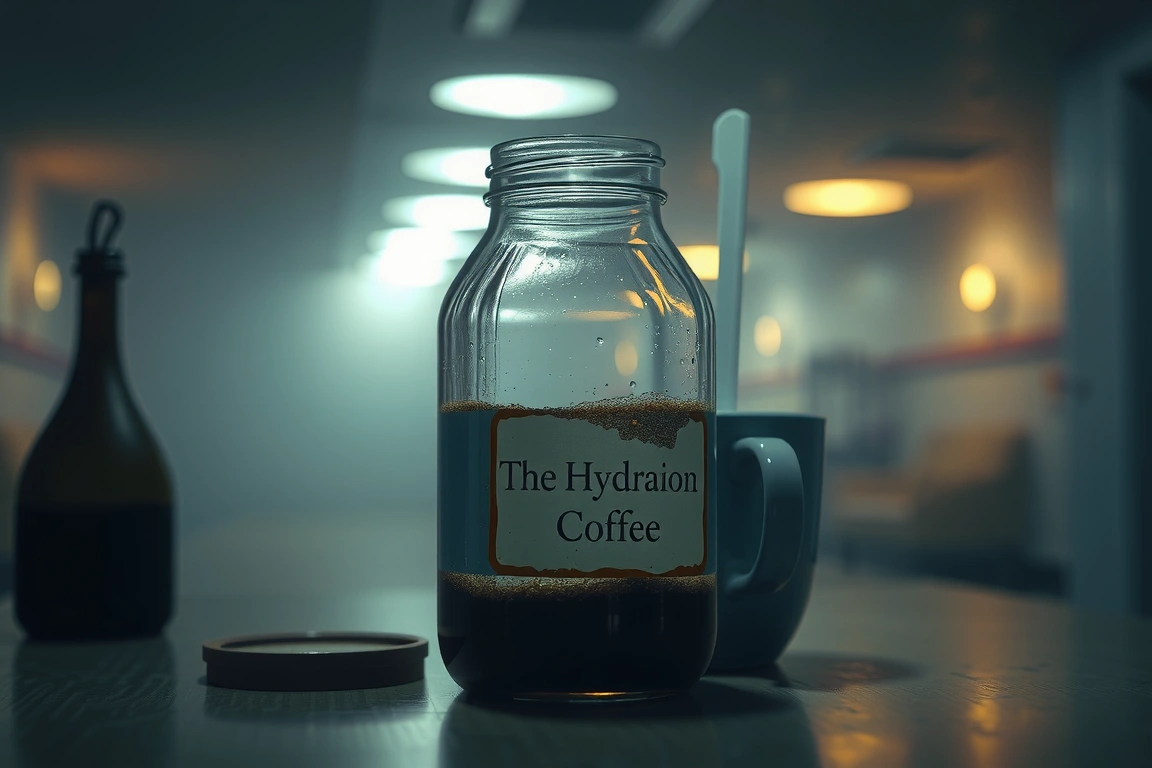
Dehydration is a silent energy thief, and air-conditioned, artificially lit environments accelerate it. I started tracking my water intake with a simple habit tracker in my journal. The goal was clear: for every 8-ounce cup of coffee, I had to drink 16 ounces of water. I used a 32-ounce Nalgene bottle as my measure. Finishing two of those between 10 PM and 7 AM became my non-negotiable target. The effects were tangible. I experienced fewer headaches, less dry skin, and a more consistent energy level. The constant trips to the water cooler also forced me to move my body regularly, breaking up long periods of sedentary monitoring. It’s a simple numbers game, but the payoff in sustained alertness is immense.
4. The Midnight Meal Strategy
Eating a heavy, greasy meal at 2 AM is a recipe for digestive disaster and a massive energy crash. I learned to break my “lunch” into two smaller, strategic meals. My first meal, around 12:30 AM, is protein and complex carb-focused for sustained energy. A typical meal was 4 ounces of grilled chicken with a cup of quinoa and steamed broccoli. Then, around 4:30 AM, when a slump is almost inevitable, I have a small, balanced snack. This is often a Greek yogurt with a handful of berries or an apple with a tablespoon of almond butter. This approach prevents the blood sugar spikes and plummets that come with one large meal, keeping my metabolism and mental clarity on a much more even keel throughout the night.
5. The Power Nap Protocol
If your job allows, a short nap can be a game-changer. My employer permitted a single 20-minute break. I used to spend it scrolling on my phone, which left me more drained. I changed tactics. I found a quiet, dimly lit room (a disused office), used a travel pillow, and set a firm 20-minute timer on my phone—no snooze. The goal isn’t to achieve deep sleep but to enter a light sleep stage that refreshes the brain. I practiced a simple breathing technique for the first two minutes to calm my mind. Waking up from that short nap at 3 AM felt like a soft reboot. The key is keeping it short; anything longer than 30 minutes risks sleep inertia, leaving you groggy and disoriented.
The key is keeping it short; anything longer than 30 minutes risks sleep inertia, leaving you groggy and disoriented.
6. The “Blue Light Lockdown” for Daytime Sleep
Coming home at 7:30 AM with the sun blazing is a circadian nightmare. My pre-sleep routine became a military operation. I invested in blackout curtains that claimed 100% light blocking (the Nicetown Blackout Curtains from Amazon were my choice). I also started wearing a comfortable sleep mask, like the Mavogel Cotton Sleep Mask. But the most critical step was a digital curfew. Sixty minutes before my 9 AM bedtime, all screens went off. The blue light emitted by phones and TVs suppresses melatonin production. Instead, I’d listen to an audiobook or soft, instrumental music. This ritual signaled to my brain that it was time to wind down, making it dramatically easier to fall into a deep, restorative sleep during the day.
7. The Wind-Down Walk
Going straight from a high-alert work environment to bed is nearly impossible. I started incorporating a 15-minute wind-down walk immediately after getting home at 7:30 AM. No power walking, just a slow, mindful stroll around my quiet neighborhood. The goal was to process the shift, breathe fresh air, and let my body temperature drop slightly, which is a natural sleep trigger. This physical and mental buffer zone between “work mode” and “sleep mode” was more effective than any sleep aid. It provided a sense of closure on the night’s events and allowed my nervous system to decompress.
8. The Consistent Sleep-Wake Schedule (Even on Off-Days)
This was the hardest habit to adopt. For years, I’d flip my schedule on my days off to have a “normal” social life. It was a disaster, like giving myself perpetual jet lag. In 2026, I committed to a consistent sleep schedule, even on my weekends. I still went to bed around 9 AM and woke up around 4 or 5 PM. To make it work socially, I scheduled late dinners or early evening activities with friends. While it required sacrifice, the payoff was a stable circadian rhythm. My body knew when to sleep and when to be awake, eliminating the brutal Monday-night adjustment period that used to wipe me out.
9. The “Anchor” Meal After Waking
Just as the pre-shift sun lamp signaled “morning,” a consistent meal after waking signaled the start of my “day.” Within an hour of waking up around 5 PM, I eat a substantial, balanced breakfast. This isn’t a grab-and-go snack; it’s a sit-down meal that breaks my fast and fuels me for the night ahead. A typical anchor meal is two scrambled eggs, whole-wheat toast with avocado, and a piece of fruit. This meal stabilizes my blood sugar and provides the foundational energy I need, reducing my reliance on caffeine and junk food later in the shift.
10. The Weekly Energy Audit
Finally, I instituted a weekly review. Every Sunday afternoon, I spend 15 minutes with my bullet journal reviewing the past week. I note which habits I maintained, how my energy levels felt on a scale of 1-10, and what challenges arose. Did skipping the wind-down walk make it harder to sleep? Did a poor anchor meal lead to a sluggish shift? This simple audit creates a feedback loop. It turns these habits from a rigid set of rules into a personalized system that I can tweak and optimize based on real data from my own body. It’s the habit that makes all the other habits smarter over time.
Transforming my night shift experience wasn’t about a single magic bullet. It was about building a fortress of small, consistent habits that protected my energy and well-being. The three most critical actions to start with are the strategic caffeine cut-off, the pre-shift light therapy, and the blue light lockdown for sleep. These three directly target your circadian rhythm, which is the bedrock of shift work survival. It takes about three to four weeks for these changes to truly take hold, so be patient and consistent. The night doesn’t have to be your enemy. With the right systems in place, it can become a time of focused productivity and even peace.
Can I still have a social life on a night shift schedule?
Absolutely, but it requires intentional planning. Instead of trying to flip your schedule completely on days off, aim for overlap. Schedule late dinners, early evening movies, or weekend breakfasts (your dinner) with friends and family. Communicate your schedule clearly so loved ones understand your constraints. It’s a different rhythm, but a sustainable one that protects your sleep.
What if my workplace doesn’t allow naps?
If a power nap isn’t an option, focus on micro-breaks. Every 60-90 minutes, stand up and move for five minutes. Walk to a water cooler, do some gentle stretches at your desk, or step outside for a few deep breaths of fresh air. This movement increases blood flow and oxygen to the brain, providing a similar, if smaller, refreshment boost.
Is light therapy safe? Are there any side effects?
For most people, 10,000-lux light therapy is very safe when used as directed. Some individuals might experience mild side effects initially, like eyestrain, headache, or irritability, which usually subside. It’s crucial to follow the manufacturer’s instructions on distance and duration. If you have a pre-existing eye condition or bipolar disorder, consult a doctor before starting light therapy.
Small changes, real momentum
Get practical guides and templates you’ll actually use — a few thoughtful emails a month.
Sources & further reading
- 10 (number) (simple.wikipedia.org)
You Might Also Like


Stories From the Graveyard Shift
True stories from nurses, truckers, hotel clerks, and security guards who work while the world sleeps. Weekly dispatch.
No spam. Unsubscribe anytime.
